
Telling ordinary hot-and-tired from genuine heat stroke comes down to whether your dog recovers once they stop and cool off: a dog who pants hard during a romp but settles within minutes of shade, rest, and water was just hot, while a dog who stays distressed, wobbles, vomits, or will not cool down is in heat stroke and needs help fast. The catch for active dogs is that exercise itself generates heat, so a hard run or a long hunt can tip a dog over even on a day that does not feel dangerous to you.
Lebanon Animal Hospital cares for plenty of active, outdoorsy dogs across Middle Tennessee, and we see how quickly a fun afternoon can turn into a heat emergency. Our veterinary services include the diagnostics to assess an overheated dog quickly. If you are not sure whether your dog is just hot or in real trouble, contact us and we will help you sort it out.
The Bottom Line for Active Dogs
- A dog who cools off and acts normal within minutes was likely just hot; a dog who stays distressed is not.
- Exercise generates internal heat, so an active dog can overheat even on a moderate, humid Tennessee day.
- Cool (never iced) water plus airflow is the safe way to cool; ice traps heat in the core.
- A dog who recovers after overheating can still develop kidney, liver, or clotting trouble over the next 24 to 72 hours.
How Do You Tell Normal Panting From Heat Stroke?
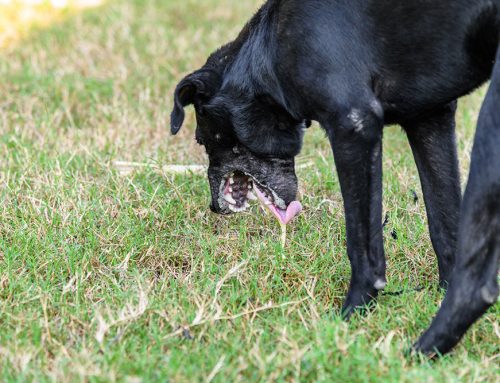
Healthy panting is rhythmic and eases off when a dog rests in the shade with water; it is the body doing its job. Heat stroke panting is different: it is frantic or labored, it does not stop when the dog settles in a cool place, and it comes with other signs that something is wrong. The simplest test in the field is recovery, because a dog who bounces back fast was managing the heat, while one who stays wobbly, glassy-eyed, or sick was not.
What tips ordinary heat into heat stroke is the core temperature climbing past what the body can shed. Once that happens, panting stops being enough, and waiting to “see if it passes” is how a manageable moment becomes an emergency.
Can a Dog Overheat From Exercise on a Mild Day?
It absolutely can happen, and it is one of the most overlooked causes of heat stroke. Hard exercise generates heat from the inside, so a dog who is running, retrieving, hunting, or playing flat-out can overheat even when the air temperature seems reasonable, especially in Tennessee humidity that keeps the body from cooling efficiently. The drive to keep going makes it worse, because a motivated dog will push well past the point where they should stop. Working muscles can generate heat faster than even a healthy dog can shed it, so exertional heat stroke can strike a lean, fit dog in good weather, not just an unfit one on a scorching day.
| Activity in the heat | Why it raises the risk | A safer approach |
| Running, fetch, or hard play | Exertion makes heat faster than the body sheds it | Short bouts, early or late, with breaks |
| Hunting or field work | Drive pushes a dog past their limit | Watch the dog, not the clock; carry water |
| Long hikes or walks | Sustained effort plus sun and pavement | Shade, water, and turn back before fatigue |
| Midday dog park | Excitement overrides self-pacing | Go early and keep sessions brief |
Some dogs run hotter to begin with. Flat-faced breeds whose airway anatomy limits cooling, heavy-coated dogs, seniors, overweight dogs, and any dog with heart or airway disease have less reserve, and they reach their limit sooner during activity. Any respiratory disease or flat-faced anatomy (brachycephalic pets) naturally decreases a pet’s ability to pant or breathe normally, thus increasing risk significantly. Our veterinarians can go over your individual dog’s heat risk levels during their wellness exams, so that you know how careful to be on hot days.
What Are the Warning Signs to Stop?
During activity, the signs that it is time to stop and cool come in a recognizable order. Early on, you will see panting that does not let up between bursts, a dog seeking shade, slowing down, or lying down mid-play. Treat those as a hard stop, not a suggestion.
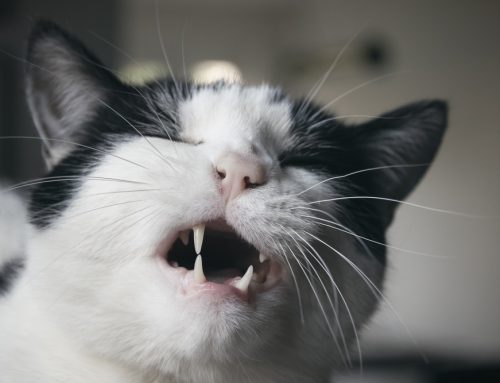
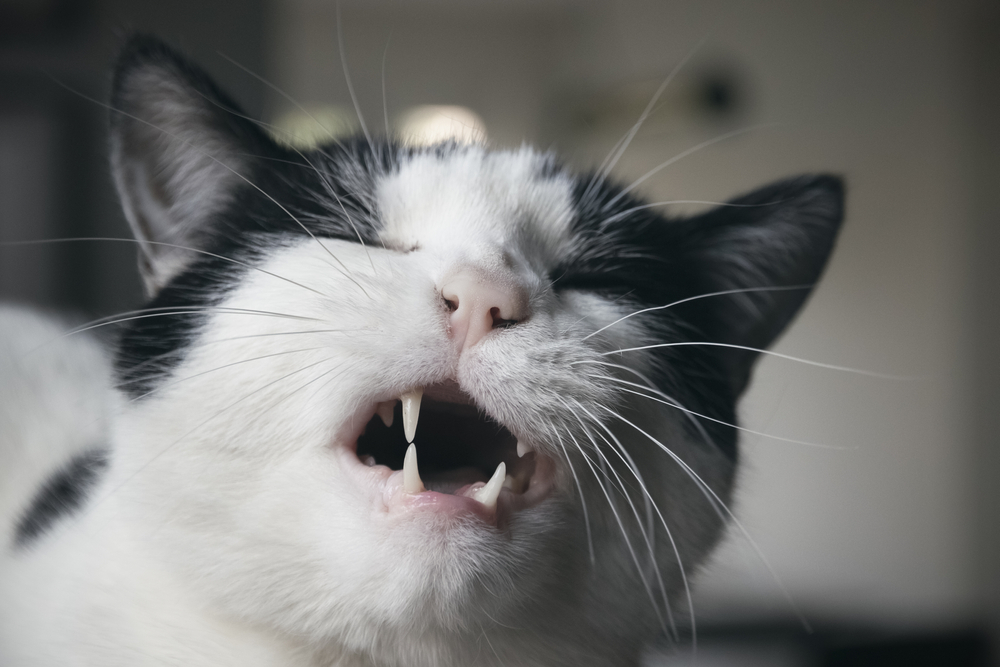
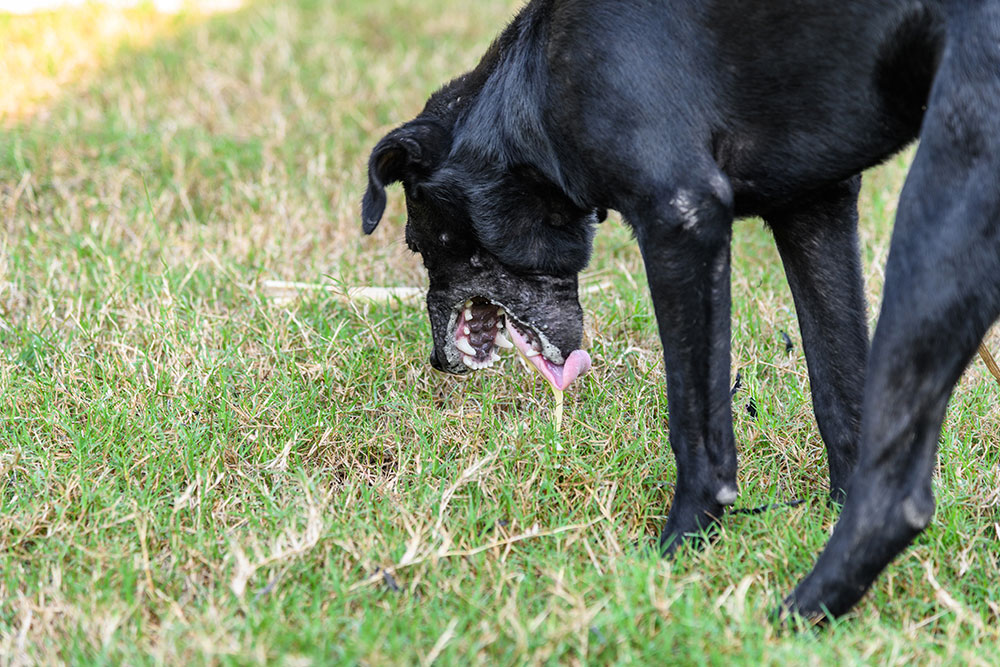
If you push past that, the signs sharpen into trouble: thick ropy drool, gums that turn bright or dark red, weakness or stumbling, a dazed look, and sometimes vomiting. At the severe end, a dog may collapse, have gums that go pale or purple, become unresponsive, or seize, which is a full emergency. Cats overheat too, and a cat panting with an open mouth is always an emergency, but it is the active dog pushed too hard who shows up most often in summer.
What Should You Do if Your Dog Overheats on a Run or Hunt?
Out on a trail or in a field, the priorities are simple, and these steps for cooling work anywhere:
- Stop and get to shade or the coolest spot you can reach.
- Pour cool water over the belly, groin, neck, and paw pads, using whatever you carry or the nearest creek.
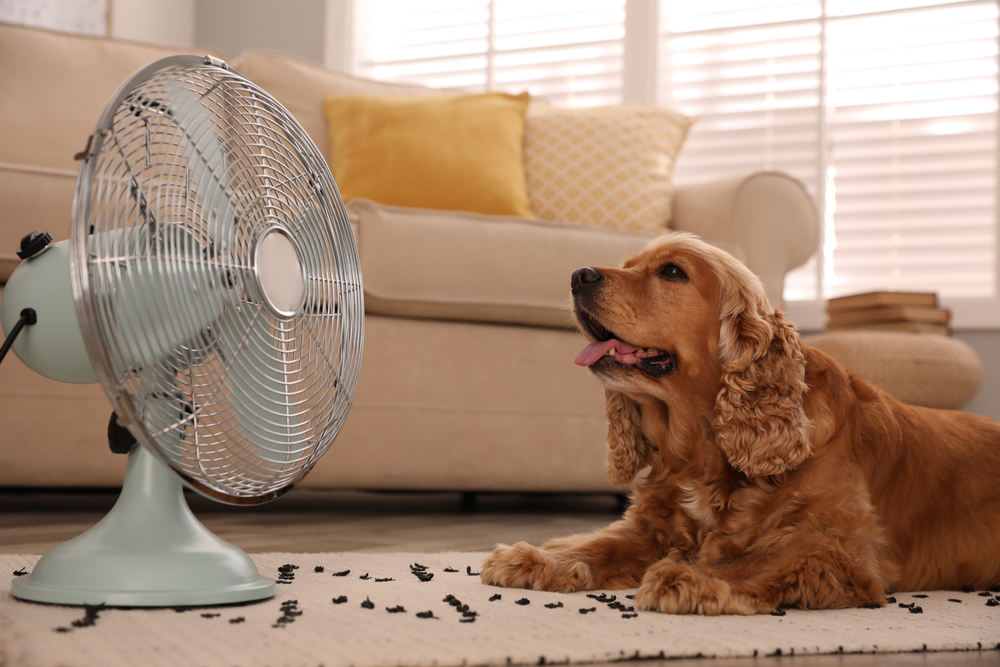
- Fan the wet areas or find a breeze to drive evaporation.
- Offer small sips if your dog is alert, never forcing it.
- Avoid ice-cold water, which clamps the surface vessels shut.
- Head for the vehicle and call us, cooling as you go.
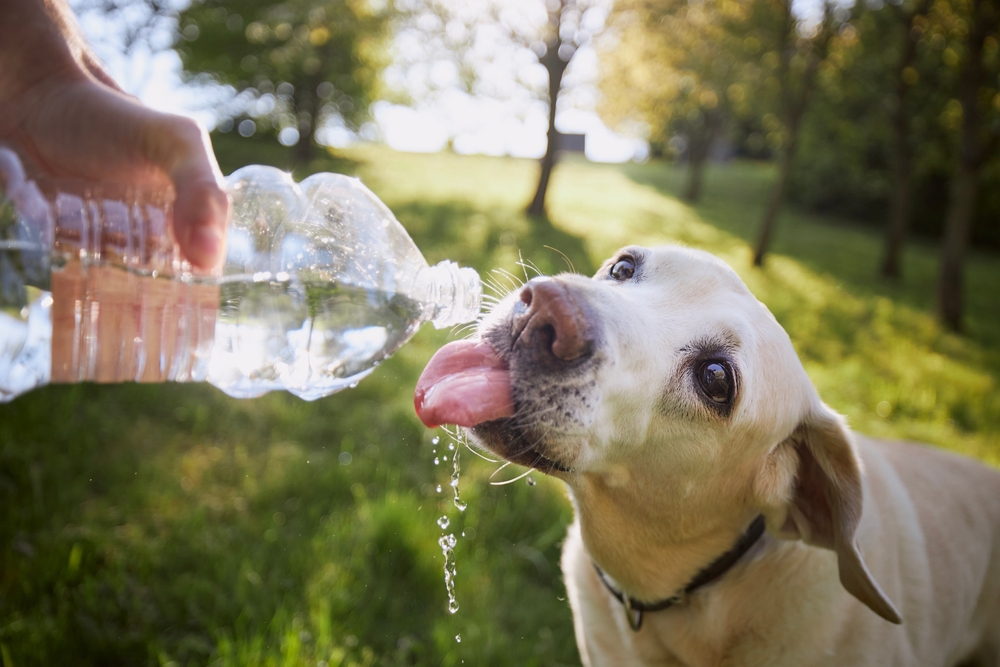
This is exactly why a water bottle and a collapsible bowl belong in your pack and your truck on any warm-weather outing.
Why See the Vet Even if Your Dog Recovers?
The worst of heat stroke is internal and delayed. Heat stroke treatment combines controlled cooling, IV fluids to support circulation and the organs, and close watch for the problems that follow, with the first 24 hours the most dangerous. A dog who seems fine after a hard cool-down can still be carrying damage.
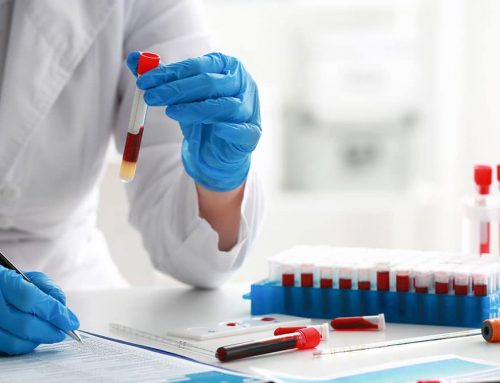
The delayed complications we look for include kidney injury that worsens over a couple of days, liver strain that surfaces on bloodwork, gut bleeding as the lining is damaged, the clotting disorder DIC where a dog clots and bleeds at once, and neurologic signs that can appear after an apparent recovery. We handle anxious or worn-out patients with low-stress techniques so the visit itself does not add to the strain, and same-day bloodwork tells us what is happening below the surface.
How Do You Keep an Active Dog Safe in the Heat?
For a dog who loves to go, prevention is about pacing as much as temperature. A few heat safety habits make the difference: schedule the hard exercise for early morning or after sunset, build conditioning gradually rather than going all-out on the first warm day, carry water on every outing, and watch your dog instead of the clock. Preventing heat stroke also means the basics, like checking pavement temperature before a walk and turning back when your dog lags. Never leave a dog in a parked truck or car, because the interior turns deadly within minutes, and hot vehicles claim pets every summer even with the windows cracked.
The rest of the household needs a plan too. For outdoor cat safety, offer shaded water refreshed twice daily and cool retreats, and treat open-mouth breathing in a cat as an emergency. On the hottest days, keep pets indoors with air moving and channel their energy into boredom busters and DIY enrichment toys that work the brain without raising body temperature.
Frequently Asked Questions About Heat Stroke in Dogs
What Temperature Is Too Hot to Exercise My Dog?
It depends on the dog and the humidity more than a single number. In Middle Tennessee’s mugginess, hard exercise above the low 80s is risky for most dogs, and flat-faced, senior, or overweight dogs should take it easy at lower temperatures. Because exertion adds its own heat, the safer move is to shift intense activity to the cool ends of the day regardless of the reading.
My Dog Was Hot but Seems Fine Now. Do I Still Need to Come In?
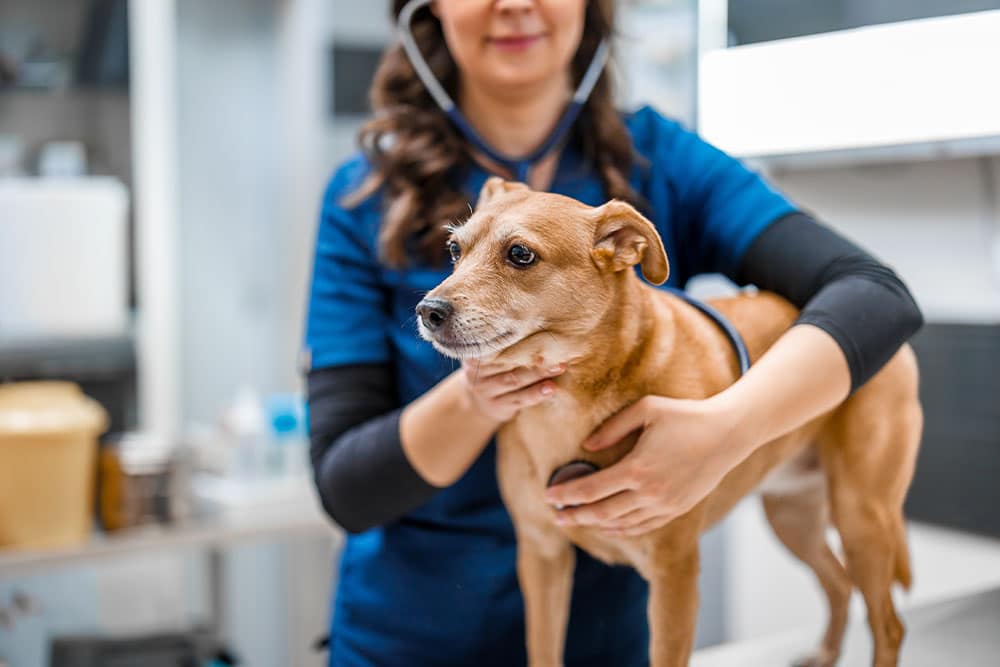
If your dog was genuinely overheated, a check is the safe call even when they seem recovered. The damage that makes heat stroke dangerous builds inside over the next day or two, and a dog who looks normal can still be affected. A short exam and bloodwork catch it early and give you real peace of mind.
Can Heat Stroke Cause Permanent Damage?
It can, which is why fast cooling and prompt care matter so much. Severe or prolonged heat stroke can leave lasting kidney, liver, or neurologic damage, while a dog cooled quickly and treated early often makes a full recovery. The outcome usually tracks how fast the temperature came down.
Should I Condition My Dog Before a Summer of Activity?
Easing into it helps a great deal. A dog who has been mostly resting needs time to build heat tolerance, so ramping activity up gradually over a couple of weeks, rather than going all-out on the first warm weekend, lets their body adapt. Keep early outings short, watch how quickly they recover, and add distance or intensity only as they handle the heat well. Even a fit, acclimatized dog still needs water and breaks, but they have a good deal more margin before they get into trouble.
A Middle Tennessee Summer Plan for Your Dog
For an active dog, the smartest summer plan respects how fast exertion adds heat: go early or late, build up gradually, carry water, and watch your dog for the signs to stop rather than counting on the weather to feel dangerous. Cool the right way if it happens, and come in even when your dog seems to shake it off.
If you want a plan tailored to your dog’s activity, or your dog has overheated and needs to be checked, request an appointment or contact us and we will help.