
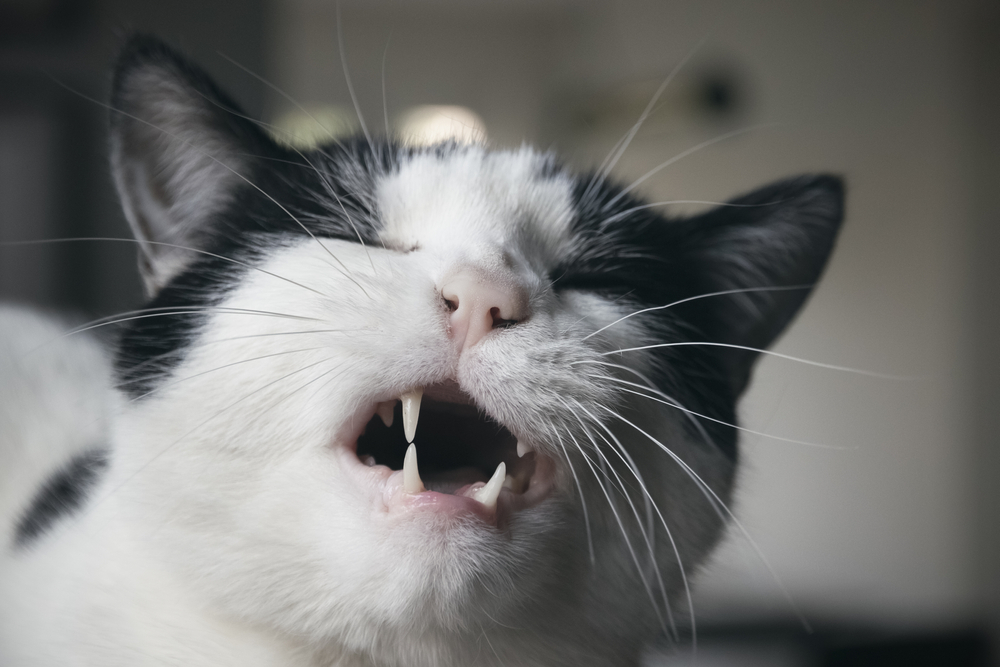
An occasional sneeze or the odd cough is usually nothing to worry about in a cat, but coughing or sneezing that lingers for days, keeps returning, or comes paired with other signs is the kind that needs attention. A stray sneeze from a tickle of dust is different from repeated sneezing with discharge from the nose or eyes, which often points to an upper respiratory infection. Coughing is the sign cat families tend to underestimate, since cats cough far less than dogs, and a persistent cough can point to feline asthma, bronchitis, or heart or lung disease. The hard part is that a cat hiding in the closet rarely shows you how bad it has gotten, and open-mouth or labored breathing is never normal and needs care right away. Sorting the harmless from the serious usually comes down to how long it lasts, what comes with it, and whether your cat is otherwise eating, playing, and acting like themselves.
Lebanon Animal Hospital gives a coughing or sneezing cat a real workup, from a nose-to-chest physical exam to in-house bloodwork and chest X-rays that show what is happening in the airways and lungs. Because cats hide illness and shut down when they are stressed, our low-stress handling and separate cat waiting area help us get an honest look at a patient who would otherwise clam up, and as the only AAHA-accredited hospital in town we hold that exam to a high standard. When your cat’s sneezing drags on or the coughing keeps coming back, our veterinary care for cats in Lebanon works to pin down what is driving it so we can build a plan together. Request an appointment with us, and if your cat is breathing with an open mouth or working hard to breathe, treat that as an emergency and get seen right away.
When a Sneeze Is Just a Sneeze
- An occasional sneeze or a single cough is usually harmless in a cat, and it’s the frequency, the duration, and the other signs alongside it that tell you whether something needs a closer look.
- Coughing is easy to underestimate because cats cough far less than dogs, so a cough that keeps coming back deserves attention rather than a wait-and-see approach.
- Open-mouth breathing, labored or rapid breathing, and blue or pale gums are never normal in a cat and need emergency care right away.
- Coughing and sneezing have a long list of possible causes, from mild infections to asthma to growths, which is why finding the cause comes before choosing a treatment.
Is Some Coughing and Sneezing in Cats Normal?
Some sneezing and coughing is normal in a cat, the same way we clear our own throats now and then. Dust, a whiff of cleaning spray, or a stray bit of litter can all set off a short burst of sneezing that means nothing at all.
One cough from a swallowed hair or a dusty breath rarely means much, but a repeated cough that settles into a pattern, especially alongside other changes, is worth mentioning to us. The simplest way to sort the harmless from the worrying is to watch what the rest of your cat is doing.
| Sign | Usually fine | Worth a call |
| Sneezing | A stray sneeze here and there | Repeated sneezing over several days, or with nasal or eye discharge |
| Coughing | A single cough that clears | A cough that keeps returning or hangs on past a day or two |
| Behavior | Eating, playing, acting like themselves | Hiding, off food, low energy |
| Breathing | Quiet, easy breaths | Fast, labored, or open-mouth breathing |
Is Your Cat Coughing, or Is It a Hairball?
What looks like coughing in cats is often the lead-up to a hairball. The retching, gagging, and hunched-down heaving that produce hairballs look almost identical to a cough from across the room, but a true cough is drier and rarely ends with anything on the floor.
Posture is the useful tell. A cat working up a hairball crouches low, stretches their neck forward, and heaves with the whole body, while a coughing cat tends to stay more upright and makes a dry, repeated hacking sound. Frequent hairballs are worth a conversation too, since a cat bringing them up week after week may be dealing with more than long fur.
Which Cat Coughing or Sneezing Symptoms Are Emergencies?
Open-mouth breathing or panting, labored or rapid breaths, blue or pale gums, and sudden collapse are the signs of respiratory distress, and each one needs care right away. A cat in trouble often gets quiet and still rather than dramatic, so these signs slip past unless you know what to watch for.
Cats also send softer distress signals that still deserve a call the same day:
- Hiding and going still: A cat who vanishes into a closet and won’t come out is often masking pain or trouble breathing.
- Turning away from food: Skipping meals, especially paired with any change in breathing, is worth a call rather than a wait.
- Restlessness at night: A cat who keeps repositioning, can’t settle, or seems anxious with each breath is often working harder to breathe than they let on.
You can catch trouble well before a crisis. Counting a resting respiratory rate at home takes a minute of watching your cat’s chest rise while they sleep, and anything above roughly 30 breaths a minute is an early flag worth acting on.
If your cat is breathing hard or with an open mouth, call ahead so our team is ready before you come in, and for a breathing emergency outside our hours, the nearest 24-hour veterinary hospital is the fastest way to get help.
What Causes Coughing and Sneezing in Cats?
Coughing and sneezing are symptoms, not diagnoses, and what sits underneath them can be almost anything: a common cold-type virus, asthma, a lodged blade of grass, a bad tooth, a lungworm, or something more serious. Here are some of the most common reasons we see respiratory changes in cats:
Infectious Diseases:
- Viral upper respiratory infections: A feline upper respiratory infection is one of the most common reasons a cat starts sneezing, with runny eyes, nasal discharge, and congestion showing up most often in kittens and cats from crowded or shelter environments. The two viruses behind most of them are feline herpesvirus, which can lie dormant and flare again during stressful stretches, and calicivirus.
- Bacterial infections: Bacteria such as Bordetella and mycoplasma can start a respiratory infection on their own or pile on after a virus takes hold.
- Fungal infections: Fungal organisms picked up from soil, bird droppings, or decaying wood can settle in the nose, sinuses, or lungs. Cryptococcosis is the most common of these in cats, with aspergillosis and histoplasmosis turning up in certain regions.
- Pneumonia: Pneumonia is inflammation deep in the lungs that can follow a viral, bacterial, fungal, or protozoal infection, or come from inhaled food or fluid, and it’s a serious driver of coughing and labored breathing that needs prompt care.
Parasites:
- Airway and lung parasites: Heartworm is the one most worth guarding against with year-round prevention, since even a small number of worms can damage a cat’s lungs. Lungworm, picked up from snails, slugs, or the prey that eats them, is another airway parasite that can bring on a cough.
- Protozoal infection: A single-celled parasite called Toxoplasma can occasionally involve the lungs and add to respiratory signs, though it more often causes trouble elsewhere.
Inflammatory Disease or Irritants:
- Asthma, bronchitis, and irritants: Feline asthma and chronic bronchitis are two of the more common reasons a cat develops a lingering cough, and both tend to be managed over the long haul rather than cured outright. Everyday irritants such as cigarette smoke, scented sprays, dusty litter, and allergies to things in the home can all set off coughing or sneezing in a sensitive cat.
- Foreign material: Inhaled or lodged debris, like a blade of grass, a grass awn, or a foxtail, can trigger sudden sneezing, pawing at the face, or gagging, and it usually has to be removed rather than waited out.
Growths, Dental, and Heart Problems:
- Dental disease: An infected tooth root sitting close to the nasal passages can push discharge and sneezing into the picture, so a stuffy nose sometimes traces back to the mouth.
- Growths, polyps, and cancer: Growths in the nose, throat, or chest, from benign polyps to nasal tumors and lung cancer, can drive persistent sneezing, nasal discharge, or coughing, and they turn up most often in older cats. Imaging plus a biopsy tells us whether surgery, radiation, or another route is even on the table.
- Heart disease: Unlike dogs, cats almost never cough because of heart disease, so a cough usually points elsewhere, though a struggling heart can still change how a cat breathes and stays part of what we weigh.
How Do We Find Out What’s Causing It?
The workup is about narrowing the field, because so many problems produce the same cough or sneeze. Our veterinarians start with your cat’s history and a hands-on exam, and listening to the chest alone tells us a great deal about where the trouble sits. What comes next depends on what the exam turns up, and our in-house diagnostics mean answers without a long wait.
| Step | What it can show |
| History and physical exam | How long it’s gone on, likely triggers, and clues from listening to the chest |
| Bloodwork | Signs of infection, inflammation, organ function, and overall health |
| Viral and fungal testing | Whether a specific infection is behind the signs |
| Fecal and parasite testing | Lungworm, heartworm, and other parasites |
| X-rays and ultrasound | The condition of the lungs, airways, and heart |
When a case points toward advanced imaging such as a CT scan, or an airway sample that has to be collected under sedation with equipment we don’t keep on site, we’ll talk through where that can be done and coordinate with a specialist so nothing slips through the cracks.
What Does Treatment Look Like for a Coughing or Sneezing Cat?
Treatment depends entirely on the diagnosis. A mild viral infection may need only supportive care and time, asthma usually means long-term daily management, and a parasite, a growth, or a dental problem each calls for its own targeted plan. We map out that plan once we know what we’re treating and go over the choices with you before anything starts.
A cat who feels cornered fights treatment as hard as they fight an exam, which is why our low-stress handling carries through the whole visit and not just the first five minutes. The most useful first move is almost always to start with an exam and turn a vague worry into a real answer.
Can You Prevent Coughing and Sneezing in Cats?
Not every cause is preventable, but a few habits lower the odds and catch problems early, indoor-only Lebanon cats included.
- Vaccines: Core feline vaccines protect against the herpesvirus and calicivirus behind most upper respiratory infections.
- Year-round parasite prevention: Steady protection guards against heartworm and lungworm, both of which can reach the lungs.
- Routine exams and clean teeth: Regular checkups catch a quiet tooth-root infection or an early airway change before it grows into a bigger problem.
- Cleaner air at home: Cutting back on cigarette smoke, heavy fragrances, and dusty litter eases the load on a sensitive airway.
Frequently Asked Questions About Cat Coughing and Sneezing
When does a sneezing cat need to see the vet?
An occasional sneeze is normal. Book a visit when sneezing runs for more than a few days, keeps coming back, or shows up with discharge from the nose or eyes, a smaller appetite, or low energy. Green or bloody nasal discharge, a swollen face, or any shift in breathing moves it higher up the list.
How can I tell whether my cat is coughing or bringing up a hairball?
From across the room they look nearly identical, but the ending gives it away. A hairball comes after retching and gagging and usually leaves something on the floor, while a true cough is dry and produces nothing. If the hairballs are frequent, or the coughing keeps returning with nothing to show for it, both are worth a look rather than a wait.
Does a coughing cat have heart problems?
A coughing cat usually doesn’t have a heart problem, since unlike dogs, cats rarely cough from heart trouble, and a persistent cough more often points to the airways or lungs, with asthma and bronchitis high on the list. Heart disease in cats tends to change breathing rather than trigger a cough, and it can stay quiet until a cat is in trouble.
When a Cough or Sneeze Is Worth a Call
Most sneezes and the odd cough turn out to be nothing. What needs a closer look is the sign that lingers, worsens, or comes paired with changes in breathing, appetite, or energy. If your cat’s signs are dragging on or you’re simply not sure what you’re seeing, reach out to us at Lebanon Animal Hospital and we’ll help you sort out the next step.