

Spay and Neuter Benefits: A Healthier, Calmer Pet
Do you ever worry about your pet suddenly dashing out the door, driven by an instinct you can’t control? Maybe you’ve noticed new behaviors that make life a little harder- like spraying indoors, mounting furniture or other pets, constant escape attempts, or an increase in restlessness and aggression. As a pet owner, you want your pet to live the longest, happiest life possible, free from preventable diseases and behavioral struggles. That’s why considering spay or neuter surgery is one of the most important decisions you’ll make. These common procedures are crucial steps in preventing serious health issues, including certain cancers and life-threatening infections, and can lead to a more relaxed, balanced, and manageable home life for everyone.
At Lebanon Animal Hospital, we understand how deeply you care about your pets- and how important it is to make informed decisions about their care. As the only AAHA-accredited animal hospital in Lebanon, our team takes every measure to ensure your companion receives exceptional care before, during, and after their procedure. From low-stress handling techniques to advanced surgical monitoring and individualized pain management protocols, we make spay and neuter surgery as safe and comfortable as possible for every pet we treat.
The Health Benefits of Spaying and Neutering
Reducing Cancer and Reproductive Disease Risk
Reproductive hormones- estrogen in females and testosterone in males- can drive the growth of dangerous conditions that significantly shorten pets’ lives and cause tremendous suffering. Spaying female pets before their first heat cycle dramatically reduces the risk of mammary tumors in dogs and mammary tumors in cats, which can be malignant and life-threatening. In fact, spaying before the first heat reduces mammary cancer risk by more than 90% compared to intact females.
Perhaps even more critically, spaying completely eliminates the risk of pyometra– a life-threatening uterine infection that affects up to 25% of unspayed female dogs before age 10. Pyometra develops when the uterus fills with pus due to hormonal changes and bacterial infection, causing severe illness, shock, and death without emergency surgery.
Neutering males prevents testicular tumors, and significantly reduces the risk of prostate enlargement and infections. Benign prostatic hyperplasia- enlargement of the prostate gland- affects nearly all intact male dogs over age five, causing pain, difficulty urinating, and straining to defecate. Neutering shrinks the prostate and prevents these uncomfortable complications from developing.
Behavioral Benefits After Surgery
Reducing Aggression, Marking, and Roaming
The evidence is clear: spayed and neutered pets live longer, healthier lives. Research has shown that spayed and neutered pets are significantly less likely to suffer injuries from roaming, fighting, or being hit by cars while searching for mates.
Intact pets often experience overwhelming hormonal urges that drive behaviors most owners find difficult or impossible to manage. Testosterone in males and estrogen in females create powerful biological imperatives that have nothing to do with training, discipline, or your relationship with your pet- and everything to do with reproduction.
Spaying eliminates heat-related anxiety and vocalization in females- no more yowling cats at 3 AM or dogs attracting every intact male in the neighborhood. Neutering dramatically reduces dominance behaviors, territorial aggression, and scent-marking in males, making them safer, more predictable companions.
Cats in particular benefit enormously from reduced urine spraying– one of the most common reasons cats are surrendered to shelters. Neutering eliminates or significantly reduces spraying in about 90% of male cats, making them far more comfortable to live with indoors and dramatically improving household harmony. The difference in a cat’s behavior and the home environment after neutering can be nothing short of transformative.
Our low-stress philosophy and Fear-Free, Feline-Friendly certified approach ensures pets feel safe and supported through every phase of care- from the first exam to post-surgical recovery and beyond. Our veterinarians use gentle techniques, positive reinforcement, and species-specific handling to encourage cooperation and build trust, reducing fear and creating positive associations with veterinary care that last a lifetime. Our behavioral counseling services also help families manage and prevent lingering habits that may have developed before surgery, providing training guidance and environmental modifications that support long-term behavior success.
Timing and the Procedure
The Best Age to Spay or Neuter
The optimal timing for spay and neuter surgery depends on several factors including species, breed size, individual growth patterns, and overall health status. General guidelines include:
- Cats:4–6 months (before first heat cycle)
- Small-breed dogs:Around 6 months
- Large and giant-breed dogs:12–18 months (to allow for proper bone and joint development)
These timelines reflect current veterinary research on growth, orthopedic health, and disease prevention. For large-breed dogs particularly, allowing skeletal maturity before neutering may reduce the risk of certain joint problems and bone cancers, while for small breeds and all cats, earlier surgery provides maximum cancer prevention with minimal orthopedic concerns.
Your veterinarian will tailor recommendations based on your pet’s unique health profile, breed-specific considerations, development stage, and lifestyle factors. Understanding your pet’s life stages helps us determine the safest and most effective time for surgery- balancing disease prevention, behavioral benefits, and orthopedic health for optimal lifelong outcomes.
Schedule a wellness exam to create a personalized surgical plan for your pet. We’ll discuss timing, answer your questions, and ensure you feel completely confident in the decision.
Is Surgery Really Safe?
At Lebanon Animal Hospital, every spay and neuter surgery follows strict safety protocols designed to minimize risk and maximize comfort. Modern anesthesia protocols, advanced monitoring equipment, and refined surgical techniques make spay and neuter procedures among the safest surgeries in veterinary medicine. Serious complications are extremely rare, and the long-term health benefits far outweigh the minimal risks.
At Lebanon Animal Hospital, we meet or exceed AAHA surgical safety standards in every procedure we perform. Every patient receives:
- Pre-anesthetic health screening to identify any risk factors
- Individualized anesthetic protocols based on age, health status, and breed
- Continuous vital sign monitoring throughout surgery
- IV fluids to support blood pressure and prevent hypothermia
- Multi-modal pain management for maximum comfort
- Careful recovery monitoring until fully awake and stable
Whether your pet is a healthy young kitten or an older dog with mild health conditions, we tailor every aspect of care to their specific needs, ensuring the safest possible experience.
As the only AAHA-accredited practice in the area, we uphold the highest standards for surgical precision, patient safety, and compassionate care. Our veterinarians ensure every pet receives individualized attention from pre-op evaluation through complete recovery.
Recovery and Post-Surgery Care
Helping Pets Heal Comfortably
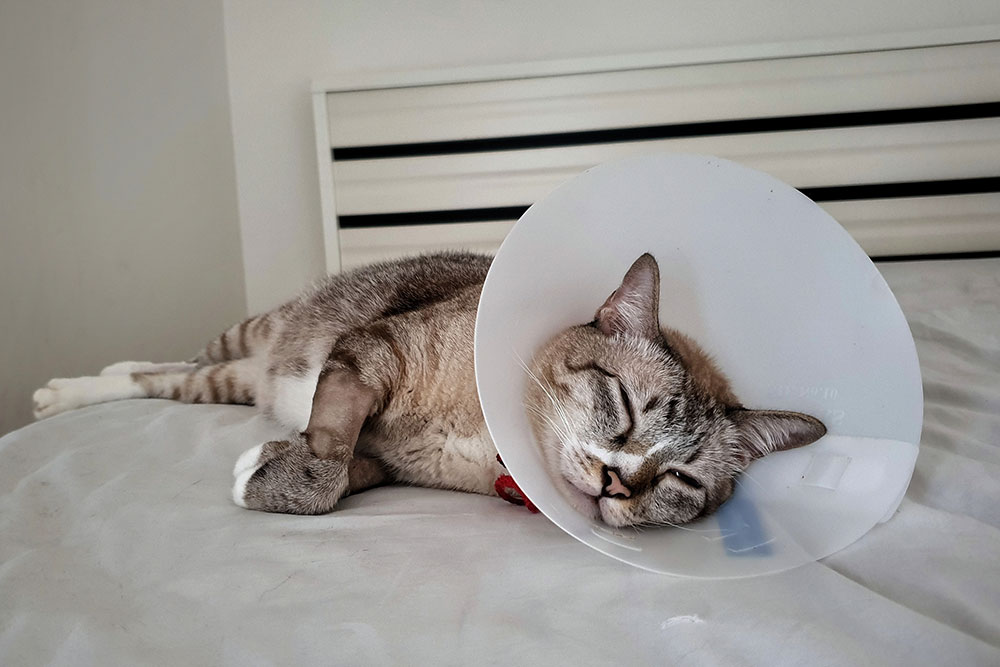
After surgery, your pet will need a quiet, comfortable space to rest for 10–14 days while the incision heals. During this critical recovery period:
- Restrict activity:No jumping, running, rough play, or stair climbing
- Prevent licking:Use an Elizabethan collar or surgical suit to protect the incision
- Monitor the surgical site:Check daily for redness, swelling, discharge, or separation of sutures
- Administer medications:Give all prescribed pain relievers and antibiotics exactly as directed
- Provide comfort:Offer soft bedding, easy access to water, and gentle reassurance
Most pets recover remarkably quickly- often appearing nearly normal within just a few days, though complete internal healing takes the full two weeks. Our team provides detailed discharge instructions, 24-hour emergency contact information, and proactive follow-up support to ensure smooth healing at home.
We encourage families to stay consistent with annual wellness exams (or biannual exams for senior pets) to help pets live long, happy, comfortable lives after surgery and into their golden years.
Addressing Myths and Concerns
Will My Pet’s Personality Change?
This is one of the most common concerns we hear- and one of the easiest to address. Spaying and neutering do not affect your pet’s core personality, affectionate nature, playfulness, or intelligence. What they do change are hormone-driven behaviors that often cause stress for both pets and families.
Your pet will remain the same loving companion- just calmer, more balanced, and easier to live with. They’ll still greet you at the door, play with their favorite toys, cuddle on the couch, and show all the unique quirks that make them who they are. What you won’t see? The constant pacing, escape attempts, aggression, marking, or anxiety that reproductive hormones create.
Will My Pet Gain Weight After Surgery?
Weight gain after surgery is not caused by the procedure itself- it’s caused by calorie intake exceeding energy expenditure, just as it is in intact animals and humans.
A slowing metabolism is a natural part of aging. The key is adjusting feeding amounts to match your pet’s current energy needs and maintaining daily exercise to keep them active and engaged.
Use the pet weight check guide to assess healthy body condition at home. Contact our team for customized nutrition counseling or weight management support if you have concerns about your pet’s body condition at any point.
Protecting Your Pet’s Health and Future
Spaying or neutering is one of the most impactful decisions you can make for your pet’s health, behavior, and longevity. The benefits extend beyond your individual pet to the broader community as well. By preventing unplanned litters, spaying and neutering reduce shelter overcrowding, decrease euthanasia rates, minimize stray animal suffering, and help control the spread of infectious diseases. Every spayed or neutered pet represents one more step toward a healthier, more humane world for all animals.
At Lebanon Animal Hospital, we combine advanced surgical care with compassion, precision, and unwavering commitment to make the experience as safe and stress-free as possible for both you and your beloved companion. Our team is here to support you through every question, every concern, and every step of your pet’s surgical journey.
Schedule your pet’s procedure today- request an appointment or contact us to begin your pet’s path to a healthier, calmer, happier life. Together, we’ll ensure your best friend enjoys all the benefits that come from this simple yet powerful decision.







Leave A Comment