


When Routine Turns Risky: How Vaccines Protect Pets in Everyday Life
A weekend hike. A quick drink from a puddle. A friendly greeting at the groomer. These moments seem harmless- but they’re also when pets meet the bacteria and viruses that vaccines are designed to prevent.
A single unvaccinated dog at a boarding facility can spread kennel cough through shared air. A raccoon exploring your property can leave traces of leptospirosis in damp soil. Even mosquitoes and bats can introduce diseases like rabies to pets who never leave the yard.
Everyday adventures are what make life with pets so joyful- but they also make vaccination one of the most powerful ways to protect them.
At Lebanon Animal Hospital in Lebanon, TN, our AAHA-accredited team helps families protect their pets through science-based vaccination plans and low-stress visits designed for comfort and care.
Why Vaccination Is Essential for Every Pet
How Vaccines Protect Your Pet
Vaccines work like practice drills for the immune system. By introducing a harmless form of a virus or bacterium, they prepare the body to fight off real infection before it causes harm.
According to the AVMA, vaccination has nearly eliminated many once-devastating diseases. Rabies remains 100% fatal once symptoms appear, canine distemper can cause lifelong neurological damage, and canine parvovirus destroys the intestinal lining, often requiring hospitalization. Vaccines are the reason these diseases are now largely preventable.
Invisible Risks Hiding in Familiar Places
Vaccination is not only for social pets who travel or board. Even animals who stay close to home can be exposed in ways that owners never expect.
A raccoon’s nighttime visit can leave leptospirosis bacteria in puddles where your dog plays. A single bat in the attic could spread rabies. And cats who never step outdoors can inhale airborne viruses that cause upper respiratory infections.
The reality is simple: disease exposure can happen in your backyard, on your porch, or at your veterinarian’s front door. Vaccines create a protective barrier that turns these everyday risks into harmless encounters.
Tailoring Vaccines to Your Pet’s Life
Puppies and Kittens: Building Immunity from the Start
Young pets are curious explorers, but their immune systems are still learning. Maternal antibodies protect them for only a few weeks, which is why early and repeated vaccination is so important.
- Puppies: Begin vaccines between 6 and 8 weeks of age, with boosters every 3 to 4 weeks until around 16 to 20 weeks. This schedule protects against parvovirus, distemper, adenovirus, and leptospirosis.
- Kittens: Start around 8 weeks with vaccines for panleukopenia, herpesvirus, and calicivirus. Feline leukemia virus (FeLV) is also recommended for all kittens under one year of age.
These early visits also help socialize young pets to veterinary care, so future appointments feel routine rather than stressful.
Adult Pets: Sustaining Long-Term Protection
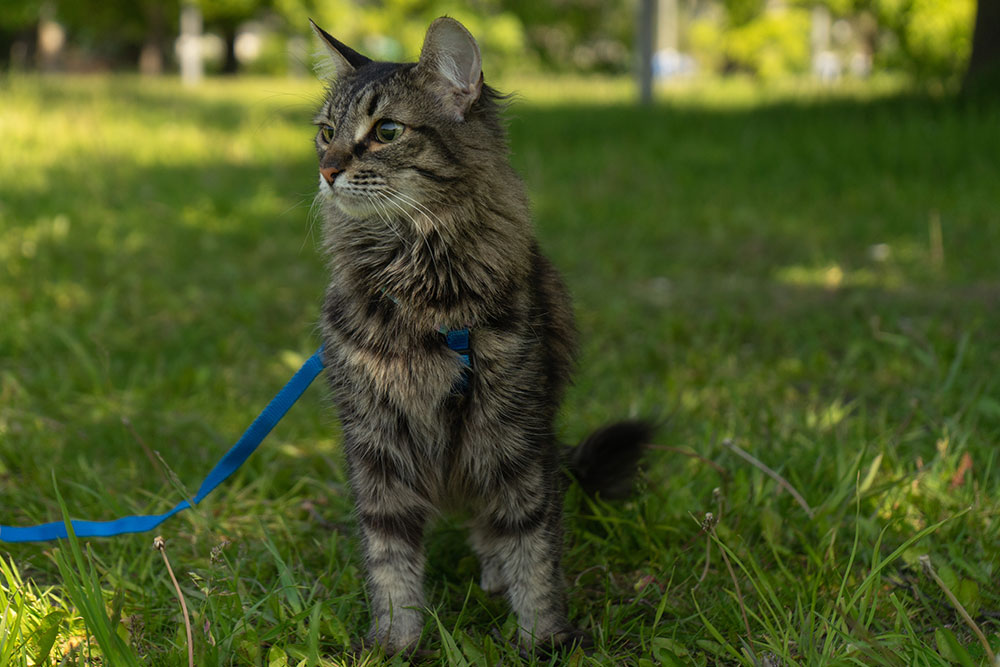
As pets mature, their world expands- walks around the neighborhood, playdates, grooming, and travel all bring new exposure risks.
Dogs that enjoy hiking or camping need additional protection against Lyme disease, while social pets who attend daycare benefit from vaccines against kennel cough and canine influenza.
For cats, even one curious escape outdoors or interaction through a screen door may expose them to FeLV or upper respiratory infections like feline calicivirus.
Most adult pets receive core vaccines every one to three years, depending on the vaccine type and lifestyle. Regular wellness exams allow veterinarians to review exposure risks and combine booster updates with preventive screenings.
Senior Pets: Adjusting Care with Age
Older pets still need protection, though their schedules may be modified based on health and comfort. Senior pets have slower immune responses, making consistent vaccination even more valuable.
Your veterinarian may adjust timing, spacing, or formulations to avoid unnecessary stress while maintaining protection against serious diseases.
Senior visits often include wellness testing for heart, kidney, and liver function to ensure each vaccination fits safely within a broader care plan.
When to Worry: Understanding Vaccine Reactions
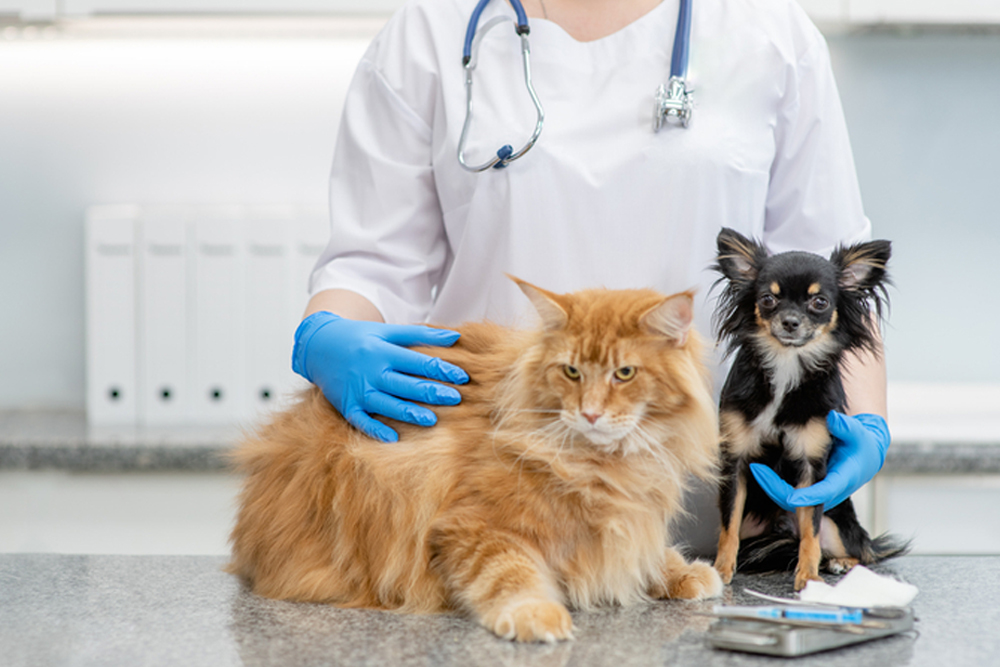
Mild side effects are common and short-lived, including temporary tiredness, slight swelling at the injection site, or reduced appetite for a day or two. These are signs of a normal immune response.
Call your veterinarian right away if you notice facial swelling, vomiting, diarrhea, or difficulty breathing. Reactions are rare, but quick attention ensures your pet stays safe. Lebanon Animal Hospital’s team often recommends staying for 15 to 30 minutes after vaccination for gentle observation before heading home.
Tennessee’s Local Risks and Why They Matter
Middle Tennessee’s warm, humid environment creates ideal conditions for wildlife and insects that spread disease.
- Can My Pet Get Rabies? The answer is yes. Rabies remains a concern due to contact with bats, raccoons, and skunks.
- Tick season lasts much of the year, increasing the risk of Lyme disease.
- Standing water from heavy rains makes leptospirosis exposure more likely for dogs who play outdoors.
Your Lebanon Animal Hospital veterinarian will consider these regional threats when customizing your pet’s prevention plan.
AAHA-Accredited Excellence and Low-Stress Care
At an AAHA-accredited hospital, every vaccine is stored, handled, and administered under strict safety standards. Your pet receives the same level of precision and compassion that defines top veterinary care nationwide.
Our low-stress care approach focuses on gentle handling, positive reinforcement, and calm environments so pets associate each visit with comfort, not fear. We take time to explain every vaccine’s purpose and timing, helping families feel confident in their choices.
Beyond Vaccines: Complete Preventive Care
Vaccination is only part of wellness. Lebanon Animal Hospital provides comprehensive preventive care and diagnostics that include heartworm testing, parasite control, nutrition guidance, and regular lab work. Combining these services ensures your pet stays protected from both contagious disease and chronic health conditions.
Your Pet’s Protection Starts Here
From the first vaccine in a puppy or kitten’s life to the gentle updates given in their senior years, vaccination remains one of the simplest, most effective ways to protect the pets we love.
If your pet’s vaccines are due, or you are unsure when their last booster was given, contact Lebanon Animal Hospital today. Our experienced, compassionate team will design a vaccination plan that fits your pet’s age, health, and lifestyle.
Call (615) 444-4422 or request an appointment online to keep your pet protected for a lifetime.





Leave A Comment