


Chronic Pain in Senior Pets: What Lebanon Pet Owners Should Know
Getting older is a natural part of life, but living with daily pain shouldn’t be. At Lebanon Animal Hospital, we see many senior pets who are moving more slowly, acting more withdrawn, or showing subtle shifts in behavior. While these changes are often dismissed as “just old age,” they’re often signs of something treatable: chronic pain.
The good news is that with early recognition and the right support, your pet doesn’t have to slow down before their time. Together, we can preserve their mobility, comfort, and quality of life.
Understanding Chronic Pain in Aging Pets
Chronic pain is discomfort that sticks around- lingering well beyond the normal healing time. Unlike sudden, acute pain caused by injuries, chronic pain is slow to appear and can be hard to spot. It affects your pet’s body, behavior, and emotional well-being over time.
Several health issues can lead to chronic pain in senior pets:
| Condition | Description |
| Osteoarthritis | Joint cartilage breaks down, causing inflammation, stiffness, and loss of mobility |
| Dental Disease | Broken or infected teeth lead to ongoing mouth pain, even in pets who still eat normally |
| IVDD | Intervertebral disc problems can compress the spinal cord, triggering nerve pain or loss of mobility |
| Cancer | Tumors can irritate surrounding tissue or press on nerves, creating both acute and chronic pain |
| Neuropathic Pain | Damaged or diseased nerves can send ongoing pain signals even after the original injury is gone |
Aging bodies are more prone to these conditions. That’s why subtle changes deserve close attention.
Why Pain Isn’t “Just Old Age”
Pain doesn’t just change how your pet moves. It changes how they feel, interact, and experience the world.
When discomfort keeps them from walking, jumping, or stretching, muscle loss and stiffness follow. Their mood may shift- they might become withdrawn, short-tempered, or less affectionate. Appetite may dip. Sleep can be disrupted. Even the immune system can suffer from the long-term stress of pain.
We often hear from families who say, “She’s just not herself anymore.” When we treat the pain, that spark returns. The tail wags again. The stairs get easier. They want to play, eat, and cuddle like they used to.
Recognizing pain as a medical problem, not a personality change, is the first step toward getting your pet back.
Reading Between the Lines: Signs of Chronic Pain
Pets rarely cry out, even when they hurt. That’s why pain in older dogs and cats is easy to overlook.
Watch for small but meaningful changes:
- Does your pet avoid jumping onto the bed or couch?
- Are they hesitant on stairs?
- Is your cat missing the litter box or skipping grooming?
- Have they become less social or more reactive to touch?
Changes in gait, stiffness after naps, limping, panting at rest, or resting in unusual positions can all point to physical discomfort.
You know your pet best. If something feels off, it’s worth checking. For more examples of hidden pain signs, visit What’s Wrong? Common Pet Pain Signs.
What Happens at the Vet? Low-Stress, Thorough, and Focused on Comfort
At Lebanon Animal Hospital, we take a thoughtful, step-by-step approach to uncovering pain- starting with your observations. A thorough history of changes in movement, behavior, or habits is invaluable.
We’ll follow with a physical exam, checking for joint tenderness, muscle loss, range of motion, or signs of inflammation. Imaging like X-rays may be recommended to evaluate arthritis, spinal problems, or tumors. Lab work can rule out infections or screen for conditions that complicate pain management.
Our goal is to identify the true source of pain, not just cover the symptoms. This guide on preventive testing offers a helpful overview of diagnostics in senior pets.
How We Treat Chronic Pain at Lebanon Animal Hospital
There’s no single fix for chronic pain. But there are many tools we can combine to help your pet feel better.
Medical Therapy is often the first layer of treatment. We may prescribe:
- NSAIDs to reduce joint inflammation and stiffness
- Gabapentin or Tramadol to address nerve-related pain
- Opioids, used in advanced cases and closely monitored
- Monthly injectables like Librela or Solensia for ongoing arthritis relief
Supplements and Nutrition can support long-term comfort. Glucosamine and chondroitin help maintain cartilage, while omega-3s reduce inflammation. Many pets benefit from joint-support diets designed for seniors. Explore senior dog supplement options here.
Integrative Therapies set our practice apart:
- Laser therapy promotes circulation, reduces inflammation, and speeds healing in sore joints. Learn more from the AKC
- Chiropractic care helps align the spine and joints, especially in pets with arthritis or disc disease
- Rehabilitation exercises, tailored to your pet’s abilities, strengthen muscles and improve range of motion. These home exercises are a great place to start. Read more on how rehab helps arthritis
Helping at Home: Where Comfort Begins
Relief doesn’t end at the clinic. Your home environment plays a critical role in your pet’s comfort and independence.
Start by evaluating your pet’s daily routine. Are floors slick? Are beds hard to reach? Small adjustments can make a big difference.
- Add traction mats or rugs over slippery surfaces
- Provide ramps or stairs to reduce the strain of jumping
- Choose orthopedic beds and raise food bowls for easier posture
- Keep nails trimmed to prevent awkward gait changes
- Stick to a routine that includes low-impact walks or gentle play. Check out these warm-up and cooldown ideas to safely ease into activity.
Need more setup ideas? This arthritis-friendly home guide from Zoetis is full of practical tips. Regular grooming, puzzle toys, and mental enrichment all play a role in helping your pet stay engaged and emotionally balanced. If you share your home with a senior cat, this guide to feline aging offers grooming tips and ways to create a cat-friendly environment.
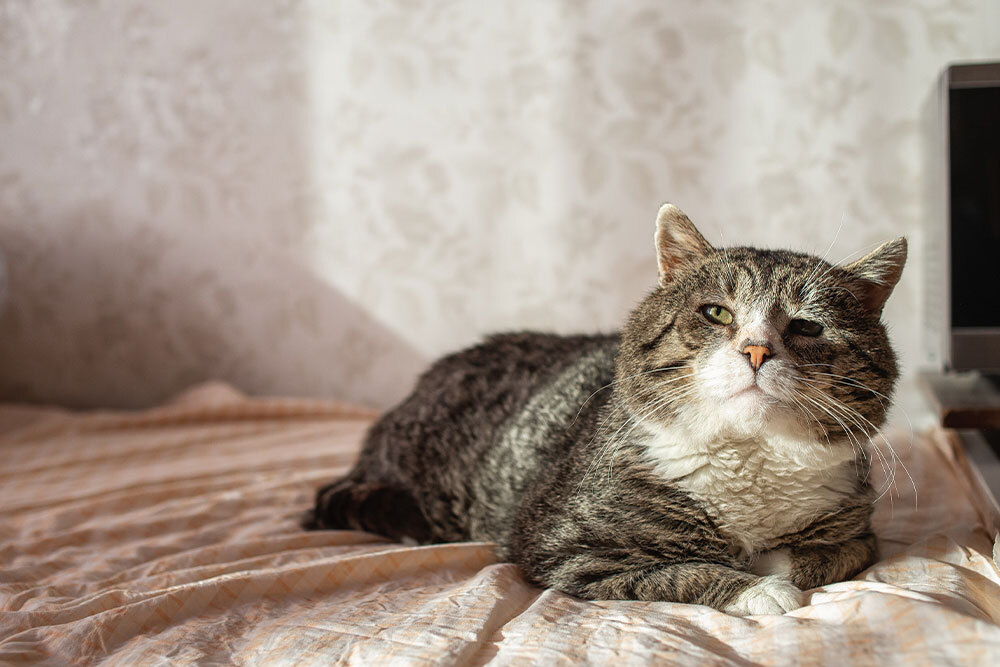
Don’t Wait for a Limp
Pain in pets is rarely obvious. They adapt. They hide it. They find new ways to cope- until they can’t.
Waiting for a limp, a cry, or total inactivity means missing the window when treatment is easiest and most effective. Even subtle changes in behavior, appetite, or movement deserve attention. With the right support, your senior pet can continue to live with energy, ease, and joy.
Gentle, Low-Stress Care for Aging Pets
At Lebanon Animal Hospital, we understand that senior pets have unique needs. That’s why we offer low-stress veterinary care designed to keep visits calm, low-anxiety, and comfortable for older patients.
From diagnostics to laser therapy to ongoing chronic care, our team is here to support every step of the journey. We also offer chiropractic care, advanced pain management, and personalized wellness plans tailored to your pet’s age and condition.
You don’t have to guess what’s going on- or handle it alone. Explore our services or contact us today to schedule a visit. Let’s keep your senior pet feeling their best.






Leave A Comment