

Hidden in the Grass: The Real Risk of Foxtails for Pets
Watching a dog bound through tall grass or a cat investigate every corner of the yard brings pure joy to many families. But tucked among those blades of grass may be an often-overlooked threat: grass awns, commonly known as foxtails. At Lebanon Animal Hospital in Lebanon, Tennessee, helping pet owners understand these tiny, barbed seeds- and how to protect their pets from them- is a crucial part of safeguarding your pet’s comfort and health.
As the only AAHA-accredited hospital in our community, and with veterinarians trained in Fear Free and Low-Stress handling, our team combines advanced medicine with compassionate care to ensure your pet’s safety and comfort at every visit.
What Are Grass Awns?
Grass awns are seed heads from certain grasses like foxtail barley, cheatgrass, and Canada wild rye. Their barbed structure allows them to latch onto fur and burrow deeper into soft tissue. While this design helps plants spread in nature, it makes them dangerous invaders for pets.
Foxtails can cling to coats in seconds, especially on long-haired dogs or cats that spend time outdoors. From there, they can penetrate paws, ears, noses, or eyes. Once inside, their barbs prevent them from backing out. Instead, every movement drives them deeper.
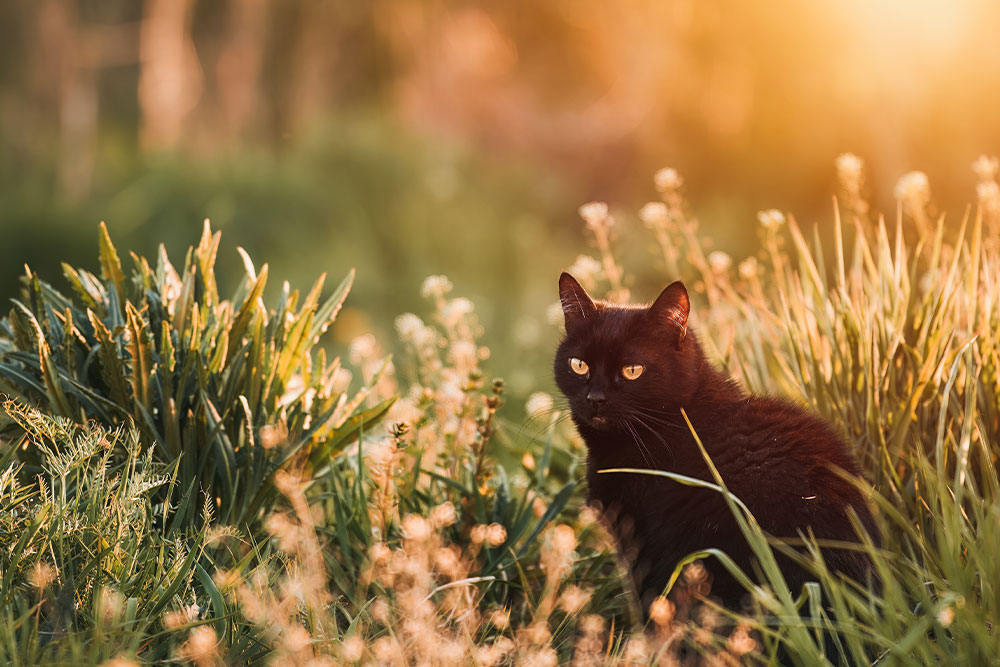
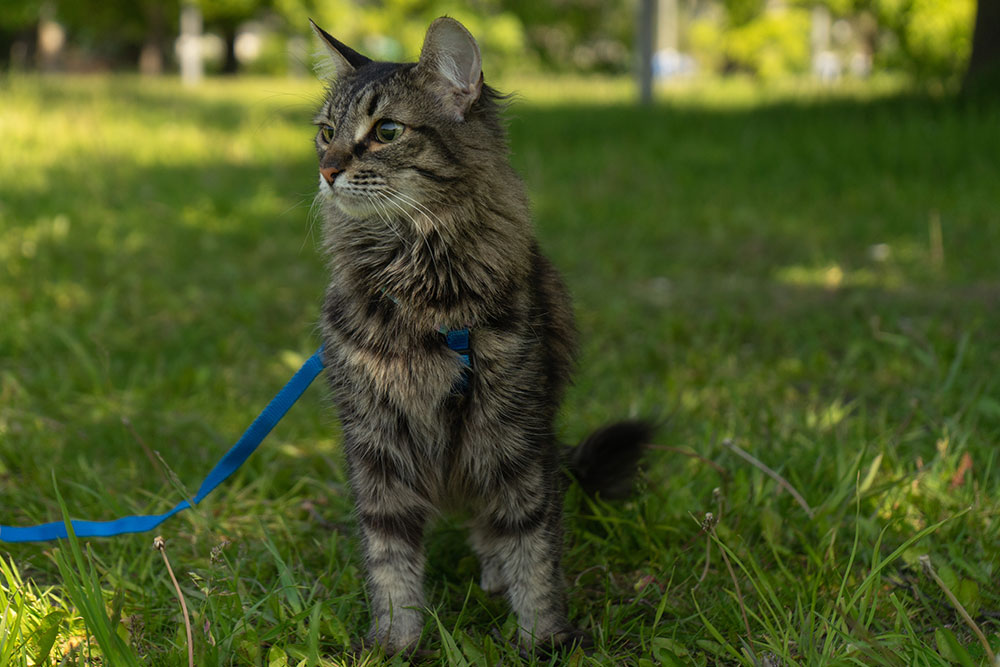
Foxtails are dangerous for dogs, but cats face the same risks, particularly adventurous outdoor cats who patrol yards and fields.
Why Foxtails Pose Such a Big Threat
Unlike a splinter that stays in place, foxtails are built to migrate. Every step, scratch, or head shake pushes them forward, often carrying bacteria along with them. Left untreated, they can cause:
- Abscesses and draining wounds
- Chronic ear infections that resist cleaning and medication
- Severe respiratory infections if inhaled
- Corneal ulcers or even permanent vision loss
- Internal organ damage if they reach the chest or abdomen
The longer a foxtail remains in place, the harder it is to remove and the greater the damage. A seed in the paw may start as a limp but can eventually burrow upward into the leg, creating multiple draining tracts. Seeds in the nose can cause violent sneezing fits and eventually migrate toward the lungs. What seems minor at first can become life-threatening in days.
What Pet Owners Often Worry About
Many pet parents describe the same scenario: their dog comes home from a hike and starts licking at a paw, or their cat sneezes repeatedly after prowling the backyard. At first it seems harmless, but the worry creeps in- what if it’s something more?
The truth is, foxtails are often invisible once they’ve entered tissue. Owners may see only small behavioral and physical changes: a head tilt, lethargy, squinty eye, or a sore that doesn’t heal. That uncertainty can be stressful, because waiting too long risks more invasive treatments later. Our goal at Lebanon Animal Hospital is to take the guesswork out of the process, provide answers, and act quickly before a hidden seed becomes a major emergency.
How to Spot a Grass Awn Injury
Foxtails can attach to almost any part of the body, but some areas are more prone than others.
Common trouble spots:
- Paws and between toes
- Ears
- Nose
- Eyes
- Armpits and groin
- Mouth- sometimes foxtails lodge between the gums and teeth.
Early signs to watch for:
- Limping or licking at a paw
- Red, swollen skin or a lump that doesn’t go away
- Head shaking, scratching, or ear discharge
- Sneezing fits or nasal discharge
- Red, watery, squinting eyes or pawing at the face
As the condition worsens, pets may develop fever, lethargy, oozing wounds, or even labored breathing. Any of these changes after outdoor play should prompt an exam the same day.
When It Becomes Serious
Foxtails don’t dissolve or “work themselves out.” Once embedded, they keep tunneling. A seed in the ear can rupture the eardrum and cause middle ear infections. One inhaled through the nose may migrate to the lungs, leading to pneumonia. Under the eyelid, they eventually progress to a painful corneal ulcer. Rarely, foxtails have even been found near the spinal cord or brain, where they cause neurologic symptoms.
The earlier these injuries are caught, the less invasive treatment needs to be. That is why same-day evaluation is strongly recommended if you suspect a foxtail problem.
How Lebanon Animal Hospital Diagnoses and Treats Foxtail Injuries
Our team combines advanced medical technology with AAHA-standard protocols to diagnose and treat foxtail injuries. If you know there is one foxtail, there are often more hiding elsewhere. A visit may include:
- Physical exam: Careful inspection of paws, ears, eyes, and nose.
- Imaging: Ultrasound or X-rays to look for deeper foreign bodies.
- Exploration of ears or nose: Using specialized scopes for safe, detailed searches.
- Surgery: For seeds that have migrated into muscle, chest, or abdomen.
- Antibiotics and pain control: Since infection is nearly guaranteed once tissue is breached.
- Rechecks: To confirm healing and ensure no fragments remain.
Because foxtails can break apart or migrate further, they aren’t always found on the first attempt. Sometimes multiple seeds are present in the same area, or sometimes we must treat the infection before we start exploring for the source. For this reason, careful follow-up and repeat exams are critical.
Our full range of diagnostic and surgical services allows us to manage both routine and complex cases, while our Low-Stress approach minimizes anxiety for pets and owners alike.
How to Prevent Foxtail Injuries
Prevention is always better than treatment. While you can’t eliminate every risk, these habits reduce exposure:
- Inspect paws, ears, mouth, and coats daily after outdoor play
- Keep fur trimmed around toes, ears, eyes, and underarms
- Groom regularly, especially in long-haired breeds
- Clear your yard of weeds and tall grasses, and avoid unmowed grassy areas when out of your yard
- Use protective gear like Outfox hoods or dog boots on hikes
- Practice cooperative care so pets learn to tolerate ear checks and paw handling (see Preventive Vet’s guide)
Regular ear cleaning is also a smart habit- Learn safe techniques with this Cornell guide.
Daily Life Considerations After an Injury
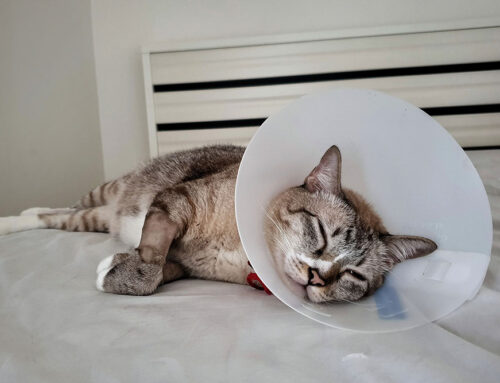
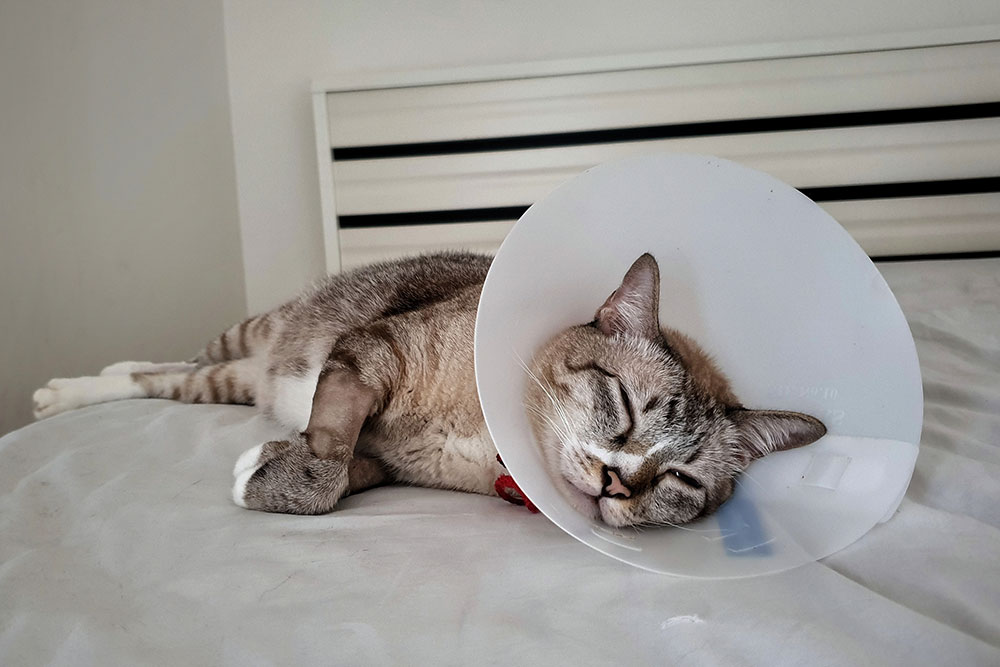
Even after treatment, recovery takes commitment. Pets may need wound care, restricted activity, or e-collars to prevent licking. Some need follow-up visits to make sure no fragments remain. While this adds a little extra to your daily routine, it protects your pet’s long-term comfort, saves you the costs of removal, and prevents repeat infections.
Our team at Lebanon Animal Hospital supports owners through this process with detailed instructions, follow-up calls, and recheck appointments. You’re never on your own.

FAQs About Foxtails
Can foxtails really be fatal?
Yes. In rare but severe cases, migration to vital organs can cause life-threatening infections.
Are cats at risk too?
Absolutely. Outdoor cats are just as likely to collect foxtails in their paws or ears.
Do foxtail injuries always require surgery?
Not always. If caught early, they can sometimes be removed without surgery. But deeper or migrating seeds usually require it.
Is there a vaccine or medication to prevent foxtails?
No. Prevention depends on grooming, checks, and avoiding risky areas.
Your Partner in Pet Safety
Grass awns may be small, but their impact is anything but. With prevention, early recognition, and advanced veterinary care, pets can stay safe and healthy all year long.
At Lebanon Animal Hospital, we combine the gold standard of AAHA accreditation, the expertise of our veterinarians, and a compassionate, Low-Stress approach to protect your pets from hidden dangers like foxtails.
If you notice limping, sneezing, head shaking, or eye irritation after outdoor play, don’t wait. Contact us today or request an appointment online. Together, we can make sure every backyard adventure ends with happy, healthy pets- not painful foxtail injuries.





Leave A Comment