

At Lebanon Animal Hospital, we understand that the idea of your pet undergoing surgery can feel overwhelming. Whether your companion needs a routine procedure like a spay or neuter, or a more advanced orthopedic repair, it’s natural to have questions and concerns. Our compassionate team is here to guide you through every stage of the process—with clarity, reassurance, and expert care.
Being informed is one of the best ways to ease anxiety and ensure a smoother experience for both you and your pet.
Why Surgery Might Be Necessary
Surgical intervention often plays a vital role in managing health issues that can’t be resolved with medication alone. From preventive care to emergency procedures, surgery can:
- Alleviate pain
- Treat life-threatening conditions
- Improve long-term quality of life
Learn more about the services we provide and how they support your pet’s health and well-being.
Common Types of Pet Surgeries
Understanding the types of surgeries most frequently performed can help you feel more prepared if your pet requires one. These include:
- Soft Tissue Surgery: Spaying, neutering, tumor removal, and wound repair
- Orthopedic Surgery: Repairs involving bones, joints, and ligaments
- Dental Surgery: Tooth extractions and fracture repairs
Each type addresses different health needs and may involve unique pre- and post-operative care.
Spaying and Neutering: Responsible and Preventive
What It Is
Spaying (females) and neutering (males) involve the surgical removal of reproductive organs under general anesthesia.
Why It Matters
These procedures not only prevent unwanted litters but also reduce the risk of reproductive cancers and behavioral challenges. For a deeper look at the benefits, visit Spay or Neuter Resources – AAHA.
What to Expect
Recovery is typically smooth with a few days of rest, limited activity, and incision monitoring. Contrary to common myths, spaying or neutering doesn’t cause personality changes or inevitable weight gain—those factors are more closely tied to diet and activity level.
Mass Removals: When Lumps Need Attention
Why We Perform Them
Masses—whether benign or malignant—are often removed to prevent growth, discomfort, or health complications. Learn more about types of cancer in pets.
How They’re Diagnosed
We typically begin with a fine needle aspirate or biopsy to evaluate the mass. In some cases, imaging may be necessary to assess internal growths.
Aftercare
Post-operative care includes incision care, limited movement, and possibly additional testing if the tissue is sent for lab analysis.
Foreign Body Removal: When Curiosity Causes Trouble
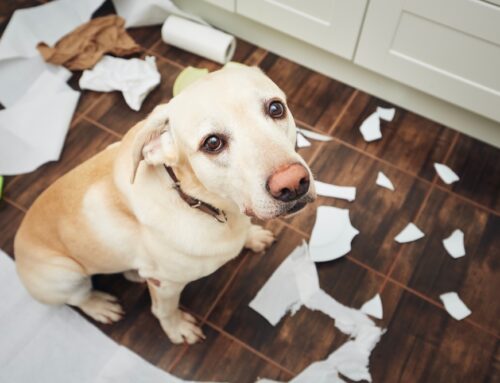
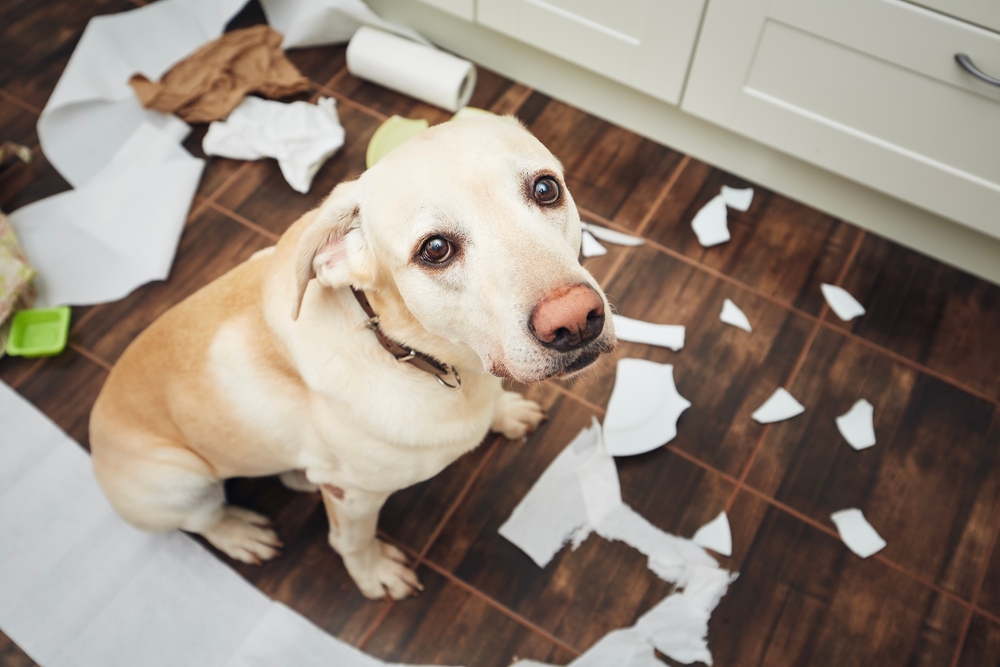
Pets—especially dogs and young animals—sometimes ingest non-food objects like socks, rocks, or toys. These can lead to dangerous gastrointestinal blockages that require emergency surgery.
Symptoms
Vomiting, abdominal pain, lethargy, or loss of appetite are signs something could be wrong. Learn more about gastrointestinal foreign body obstruction.
Treatment
We use radiographs or ultrasound to locate the object, followed by surgical removal to restore normal function and prevent serious complications.
Orthopedic Surgeries: Regaining Mobility
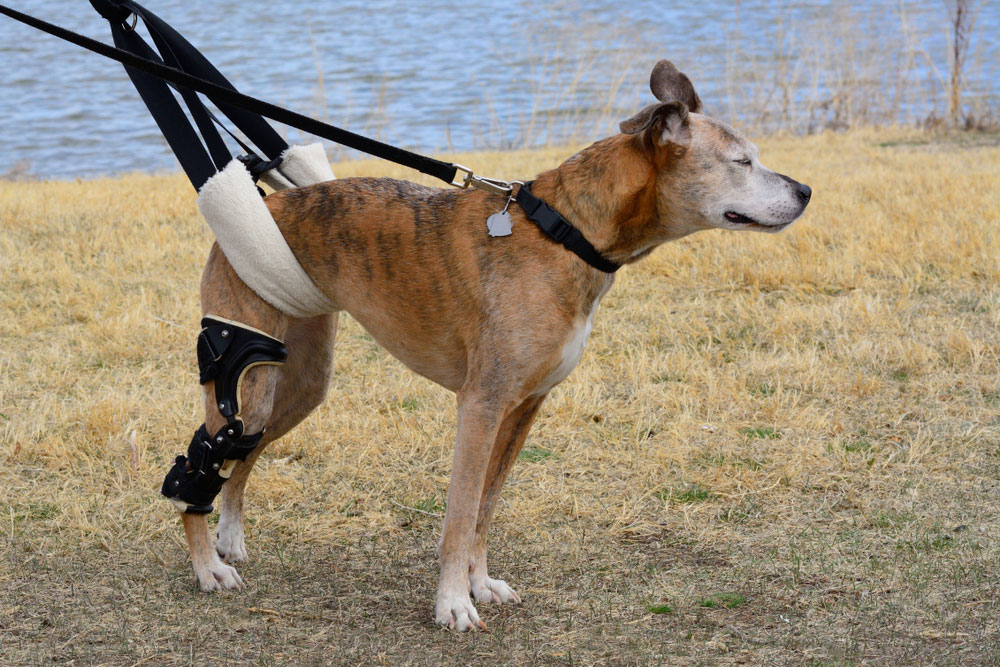
When your pet is limping or unwilling to bear weight, it could indicate a musculoskeletal problem requiring surgical repair.
Cruciate Ligament Tears
One of the most common causes of lameness in dogs, cruciate ligament injuries often require procedures like TPLO or extracapsular repair. Learn more about canine cruciate ligament injury.
Patellar Luxation
This condition involves the kneecap slipping out of place and is especially common in small dogs. Surgical correction restores stability and helps prevent long-term joint damage. Visit Cornell’s guide to patellar luxation for more.
Post-Operative Care
Orthopedic surgery recovery requires strict rest, pain management, and often physical therapy to ensure full return to function.
Preparing Your Pet for Surgery
Before the Procedure
- Fasting: No food 8–12 hours before surgery (unless advised otherwise)
- Pre-Anesthetic Testing: Bloodwork ensures your pet is healthy enough for anesthesia
- Comfort: Bring a favorite blanket or toy to help reduce anxiety during check-in
Supporting Recovery at Home
After Surgery, Your Role Matters.
- Administer all medications as prescribed
- Monitor the incision site daily
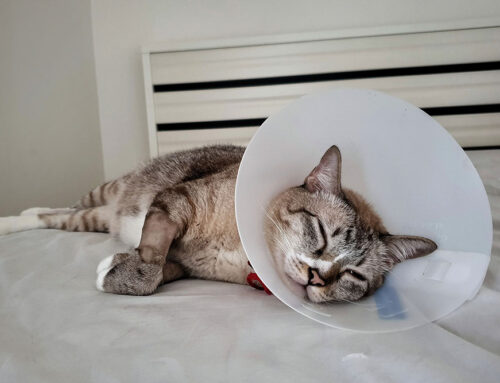
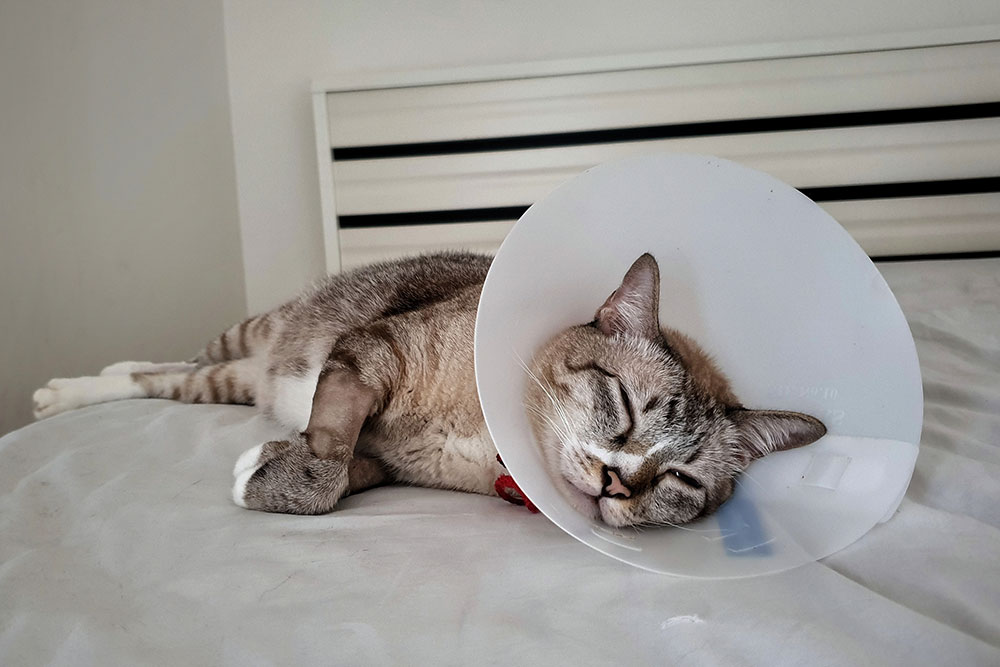
- Prevent licking or scratching—use an e-collar if needed
- Limit activity for the recommended period
Gradual return to normal routines is key to a successful recovery.

FAQs: Your Most Common Surgery Questions
Is anesthesia safe?
Yes. We use modern protocols and continuous monitoring to minimize risk and keep your pet safe throughout the procedure.
How long will recovery take?
It depends on the procedure. Minor surgeries may require only a few days, while orthopedic procedures may involve several weeks of rest and rehab.
What are warning signs of complications?
Contact us right away if you notice excessive swelling, redness, discharge, or if your pet seems unusually lethargic or distressed.
We’re Here for You—Every Step of the Way
At Lebanon Animal Hospital, we treat every pet as if they were our own. From the moment you call to the final post-op check, our team is committed to supporting your pet’s health with expert surgical care and compassionate communication.
Have questions? Contact us anytime or meet our experienced veterinary team. We’re here to help you feel confident and informed—because peace of mind is part of great veterinary care.



Leave A Comment