

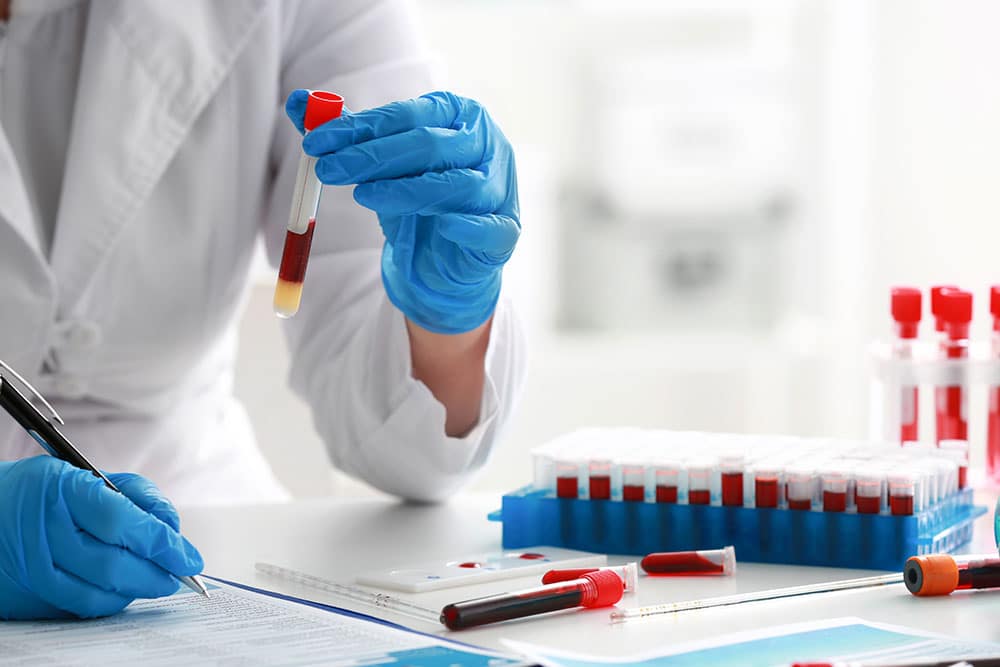
Most of the time, your pet’s immune system is the reason they stay healthy. It identifies threats, eliminates them, and leaves normal tissue alone. But in a subset of cases, that system misfires in a serious way: it begins targeting the body’s own red blood cells or platelets, treating them as foreign invaders. The two main forms of this condition (IMHA, where red blood cells are destroyed, and ITP, where platelets are destroyed) can progress from subtle fatigue to life-threatening anemia or uncontrolled bleeding within days. Recognizing the early signs is what gives pets the best chance at a good outcome.
Lebanon Animal Hospital in Lebanon, TN provides comprehensive evaluation for complex medical conditions, including same-day workups when warning signs appear. Our AAHA-accredited services include in-house diagnostics that allow us to identify what’s happening quickly, including standard tick-borne disease screening as part of any blood disorder workup. If your pet is pale, weak, lethargic, or showing unusual bruising or bleeding, request an appointment right away.
How the Immune System Turns on the Blood
In a healthy pet, the immune system identifies foreign cells (bacteria, viruses, abnormal cells) and removes them while leaving normal tissue alone. In immune-mediated diseases, that recognition system breaks down. The immune system marks normal red blood cells or platelets for destruction, and the cells get removed from circulation faster than the bone marrow can replace them.
A clinically important distinction: these diseases can be primary or secondary, and the difference shapes treatment.
- Primary cases have no identifiable underlying trigger. Treatment focuses on suppressing the immune attack directly with medication.
- Secondary cases have an identifiable cause: an infection, a cancer, a toxin, or a medication. Primary IMHA and ITP require immunosuppression alone, while secondary cases need that plus treatment of the underlying trigger. Missing the underlying cause is one of the most common reasons treatment fails or relapse occurs.
This is why the workup is never just “give steroids and hope.” A proper evaluation looks for the trigger.
IMHA in Dogs and Cats
Immune-mediated hemolytic anemia (IMHA) is the destruction of red blood cells by the immune system. Red blood cells carry oxygen throughout the body, and as their numbers fall, every organ progressively gets less oxygen than it needs. Early in the disease, signs are subtle: a bit more rest, slightly less interest in food, faster breathing after light activity. As destruction outpaces production, signs escalate to severe weakness, pale or yellowed gums, dark urine, and collapse.
Recognizing Early Signs of IMHA in Pets
The signs to watch for, in roughly the order they appear:
- Unusual fatigue with shorter walks, more napping, less enthusiasm for daily activities
- Faster resting breathing as the body tries to compensate for reduced oxygen
- Pale or jaundiced gums: healthy gums are pink and pink up quickly when pressed; pale, white, or yellow-tinged gums are a same-day concern
- Dark or discolored urine, which can range from tea-colored to red-brown as destroyed red blood cells release hemoglobin
- Appetite loss, sometimes the first thing you notice
Breed predisposition plays a real role. Cocker Spaniels carry the strongest documented risk, with Irish Setters, Old English Sheepdogs, and Miniature Schnauzers also overrepresented. If you have one of these breeds, building a habit of checking gum color makes a real difference in catching IMHA early.
Secondary Causes of IMHA in Dogs and Cats
When IMHA has a triggering cause, identifying it changes everything about long-term management. Common categories of triggers:
- Tick-borne infections (covered in detail below): one of the most frequent secondary causes in our region
- Leptospirosis: a bacterial infection from contaminated water and wildlife urine that can cause multi-system disease including hematologic changes
- Hemotropic mycoplasma: small bacteria that attach to the surface of red blood cells, particularly in cats, and trigger immune-mediated destruction
- Cancer and viruses: including lymphoma, feline leukemia virus (which suppresses or dysregulates feline immune function), and hemangiosarcoma
- Toxins: zinc toxicosis from ingestion of zinc-containing objects (post-1982 pennies are the classic culprit) causes oxidative damage to red blood cells and rapid hemolysis
- Drug reactions and envenomations: snake bites and certain medications can trigger immune-mediated hemolysis
Working through this list during the diagnostic workup is what allows us to address the actual cause rather than just suppressing the symptoms.
Blood Clotting Complications in IMHA
This part of IMHA catches families off guard. While red blood cells are being destroyed and the body should logically be more prone to bleeding, the clotting system simultaneously becomes dysregulated in the opposite direction: abnormal clots form in blood vessels, blocking circulation to organs and tissues. Blood clotting complications are one of the leading causes of death in IMHA, which is why hospitalization with continuous monitoring and anticoagulant medications is part of treatment for many patients.
Signs of a possible clot needing immediate care:
- Sudden labored breathing or coughing (clot in the lungs)
- Sudden weakness in a limb or in the hindquarters (clot affecting circulation to the legs)
- Acute collapse or loss of consciousness
- Sudden severe pain with an unclear source
- Seizure activity or sudden disorientation
If your pet is being treated for IMHA and any of these appear, head straight to the closest ER.
ITP in Dogs and Cats
Immune-mediated thrombocytopenia (ITP) is the destruction of platelets by the immune system. Platelets are the cells responsible for forming clots when blood vessels are injured, and without them, even minor injuries can bleed extensively. More concerning is internal bleeding, which can be significant even when external signs look minor or absent entirely.
Recognizing Signs of ITP in Pets
The visible signs of platelet destruction:
- Petechiae: pinpoint red or purple spots on the gums, whites of the eyes, inside the ears, or on the belly
- Larger bruises (ecchymoses) on the abdomen, gums, or other thin-skinned areas without any known injury
- Spontaneous nosebleeds with no trauma
- Blood in the urine or stool, which may appear as red urine, dark tarry stool, or visibly red blood in stool
- Wounds that bleed disproportionately long for the size of the injury
- Bleeding from the gums that is more than expected when chewing or playing
Petechiae are easy to miss if you are not looking for them. Lifting the lip and examining the gums takes a few seconds and gives you genuinely useful information.
What Triggers ITP in Dogs and Cats
Like IMHA, ITP can be primary or secondary. Common triggers for secondary ITP:
- Tick-borne infections, particularly Ehrlichia and Anaplasma
- Heartworm disease, which can cause platelet destruction alongside its better-known heart effects
- Distemper virus: uncommon now thanks to vaccination, but still seen in unvaccinated populations
- Leptospirosis and other bacterial infections
- Certain medications, including some antibiotics and chemotherapy drugs
- Cancers, particularly lymphoma and hemangiosarcoma
A note on vaccination: ITP has rarely been associated with recent vaccination, and the topic comes up often. Vaccination is not a common trigger, and the protection vaccines provide against deadly infectious diseases far outweighs this small statistical risk. We are happy to discuss individualized vaccination protocols for any pet with a history of immune-mediated disease.
Evans Syndrome in Pets
When a pet has both IMHA and ITP simultaneously, the condition is called Evans syndrome. Concurrent immune-mediated anemia and thrombocytopenia is more serious than either condition alone, since the patient deals with the consequences of both anemia and bleeding risk at the same time.
Treatment for Evans syndrome must address both components simultaneously. Hospitalization, intensive monitoring, frequent medication adjustments, and sometimes both blood transfusions and platelet support are part of management. The prognosis is more guarded than for IMHA or ITP alone, though many patients do achieve remission with aggressive treatment.
Tick-Borne Diseases and Immune-Mediated Blood Disorders
In Middle Tennessee, ticks are active essentially year-round, and several tick-borne infections directly trigger or precisely mimic immune-mediated blood disease. Treating what looks like primary IMHA or ITP without screening for these infections leads to incomplete treatment and frequent relapse.
The tick-borne diseases relevant to this discussion:
- Lyme disease: primarily known for arthritis and kidney complications but also associated with hematologic changes
- Rocky Mountain spotted fever: causes both direct vascular damage and immune-mediated platelet destruction; one of the more dangerous tick-borne diseases when missed
- Ehrlichia and Anaplasma: both can cause persistent thrombocytopenia and trigger secondary immune-mediated destruction; chronic ehrlichiosis can produce profound, treatment-resistant disease
- Babesia: a tick-transmitted parasite that infects red blood cells directly and causes hemolytic anemia. Babesia gibsoni is documented more frequently in Pitbull-type breeds and Greyhounds, and the infection can be transmitted through bite wounds as well as ticks.
This is why infectious disease testing is a routine part of any IMHA or ITP workup at our practice. Treating an infectious driver alongside immunosuppression dramatically improves outcomes when an infection is the trigger.
Diagnosing Immune-Mediated Blood Diseases in Pets
Getting to a diagnosis quickly matters because these conditions can move fast. The standard workup includes:
- Detailed history: symptoms, timeline, recent tick exposure or travel, medications, vaccinations, and any other illnesses
- Physical exam: with particular attention to gum color, hydration, and signs of internal bleeding
- Complete blood count and blood smear: quantifies red blood cells, white blood cells, and platelets, and the smear is examined for spherocytes (small, dense red blood cells characteristic of IMHA) and platelet clumping
- Coombs test: detects antibodies attached to red blood cells, supporting an IMHA diagnosis
- Reticulocyte count: measures whether the bone marrow is producing new red blood cells appropriately
- Chemistry panel: evaluates organ function, liver and kidney values, electrolytes
- Tick-borne disease panel: screens for the infectious triggers most relevant to our region
- Imaging: abdominal ultrasound and chest radiographs to look for cancer, organ disease, or signs of internal bleeding
- Urinalysis: evaluates kidney function and screens for hemoglobin or protein
- Coagulation testing: assesses bleeding and clotting risk
- Bone marrow evaluation: in selected complex cases
Many of these tests are run in-house, which means treatment decisions begin during the same visit rather than waiting for outside lab turnaround. As an AAHA-accredited practice, our diagnostic capabilities follow the highest established veterinary medical standards.
Treating IMHA and ITP in Dogs and Cats
Treatment runs on two parallel tracks. The first is stopping the immune attack with immunosuppressive medications. The second is supporting the body while counts recover, which can include transfusions, anticoagulants, and management of any underlying trigger. The immune-mediated disease treatment framework is individualized, and we adjust based on each patient’s response.
IMHA Treatment Options
The components of IMHA treatment:
- Corticosteroids: the foundation of immunosuppression, started at higher doses and tapered carefully as response is achieved
- Additional immunosuppressants: medications like cyclosporine, mycophenolate, or azathioprine added when steroids alone are insufficient or when steroid side effects need to be limited
- Anticoagulants: clopidogrel, low-dose aspirin, or other medications to reduce thromboembolism risk
- Supportive care: intravenous fluids, nutrition support, anti-nausea medications, and gastric protectants for pets on long-term steroids
- Blood transfusions: for severely anemic patients; buys time for medications to take effect
- Therapeutic plasma exchange: for severe or refractory cases, removing the circulating antibodies driving destruction
- Blood purification techniques: an emerging area of veterinary medicine for the most challenging cases
- Targeted antimicrobials: when infectious triggers are confirmed; doxycycline for tick-borne disease, antibiotics for leptospirosis, and so on
ITP Treatment Options
ITP treatment overlaps with IMHA but has some specific tools:
- Corticosteroids: first-line therapy to suppress platelet destruction
- Vincristine: a chemotherapy agent given as a single dose in low concentrations to stimulate platelet release from the bone marrow
- Intravenous immunoglobulin (IVIG): for critically low platelet counts, providing temporary blockade of antibody activity
- Other immunosuppressants: added when first-line therapy is insufficient
- Splenectomy: surgical removal of the spleen, considered for refractory cases since the spleen is one of the major sites of platelet destruction in ITP
Most ITP cases respond to immunosuppression within a few days, with platelet counts beginning to recover. Severe cases may require hospitalization until platelet counts reach safer levels or referral to internal medicine specialists for more advanced treatments.
Tick Prevention and Immune-Mediated Blood Disease Risk
Year-round tick prevention is one of the most concrete things you can do to reduce risk of secondary blood disorders. Gaps in prevention create exposure windows when even one tick can transmit infection. Prescription preventatives are significantly more reliable than over-the-counter alternatives, and the difference shows up in outcomes.
Tick prevention at the household level includes:
- Year-round prescription preventatives for every pet in the home
- Tick checks after time outdoors, particularly in wooded or grassy areas
- Yard maintenance including keeping grass short and clearing leaf litter
- Limiting exposure in heavily tick-infested areas during peak activity
Our pharmacy carries the products we trust to keep tick and other parasite exposure at minimum:
- For dogs: flea and tick prevention and heartworm and parasite prevention
- For cats: flea and tick prevention and heartworm prevention
Warning Signs That Need Urgent Veterinary Attention
Some signs warrant calling us about a same day visit or heading to the ER rather than waiting for a scheduled appointment:
- Sudden weakness or collapse
- Pale or yellow gums that don’t return to pink quickly when pressed
- Unexplained bruising or petechiae anywhere on the body
- Labored breathing at rest with rapid or open-mouth breathing
- Dark or blood-tinged urine, ranging from tea-colored to red-brown
- Significant lethargy or unwillingness to rise
Call ahead when possible so we can prepare for your arrival. For pets with significant anxiety about veterinary visits, our low-stress handling approach helps make even urgent visits as comfortable as we can.
Frequently Asked Questions About IMHA and ITP in Pets
Can IMHA or ITP be cured?
Many dogs and cats achieve complete remission with appropriate treatment. Some require long-term low-dose immunosuppression to prevent relapse, and a meaningful percentage will have one episode and never experience another. Recurrence is possible, which is why follow-up monitoring matters.
My pet was just diagnosed. What should I expect in the first week?
The first week is often the most medically intensive, involving frequent rechecks, possible hospitalization, and medication adjustments as treatment response is monitored. Many patients stabilize within several days, but close monitoring is essential throughout early treatment.
Will my pet need to be on steroids long-term?
Not necessarily. Many patients are gradually tapered off immunosuppressive medications over several months once remission is achieved and maintained. Each case is managed based on individual response.
Is there anything I can do at home to support my pet during treatment?
Strict rest is important during the acute phase, since overexertion in a severely anemic pet is dangerous. Keep your pet calm, limit activity to short bathroom trips, and watch closely for any changes. Some pets become very lethargic and need encouragement to eat; small, palatable meals offered frequently work better than insisting on normal feeding routines. Follow all medication schedules as precisely as possible, since gaps in immunosuppressive therapy can allow rapid relapse.
Moving From Uncertainty to a Treatment Plan
A diagnosis of IMHA or ITP is frightening, and we understand the weight that comes with hearing it. The reassuring part is that fast, accurate diagnosis followed by appropriate treatment gives most pets a genuine chance at remission and a return to normal life. The families whose pets do best are the ones who recognize warning signs early and act on them, and the path forward is rarely something you have to figure out alone.
If your pet is showing any of the signs described, or if you are continuing care for an already-diagnosed pet and want a thorough partner in their management, reach out to us. We will work together through the testing, the treatment, and the monitoring carefully, with as much clarity as possible at every stage.





Leave A Comment