

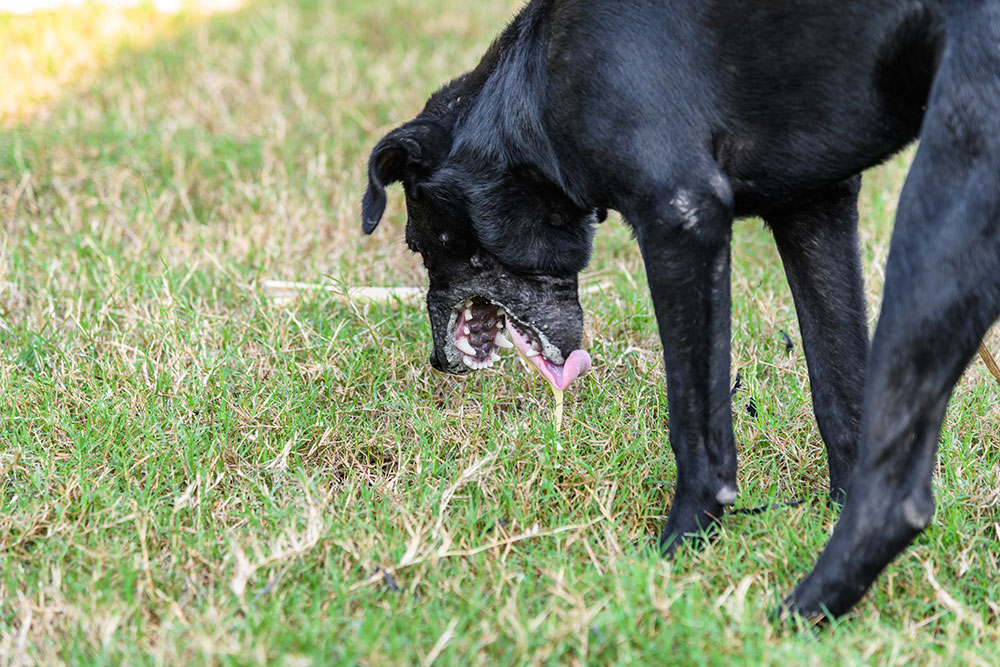
When your pet vomits once and goes back to acting normal, there is usually nothing to worry about. But when it happens several times a week, goes on for more than two or three weeks, or starts getting worse, the pattern itself becomes important information. Chronic vomiting in dogs and cats is not just a stomach problem: it can signal food allergies, organ disease, inflammatory conditions in the GI tract, or stress-related issues that look identical from the outside. Sorting them out takes a structured diagnostic approach, not trial and error. The good news is that once the real cause is identified, most pets respond well to targeted treatment.
As the longest-running animal hospital in Wilson County and the only AAHA-accredited practice in Lebanon, Lebanon Animal Hospital brings the highest diagnostic and treatment standards to every case. We combine thorough lab work with careful history-taking and, when needed, advanced diagnostics like ultrasound and x-ray to get past the guesswork and find real answers. Request an appointment or contact us if your pet’s vomiting has become a pattern you cannot explain.
Reading What Your Pet’s Vomiting Is Telling You
What It Looks Like Matters
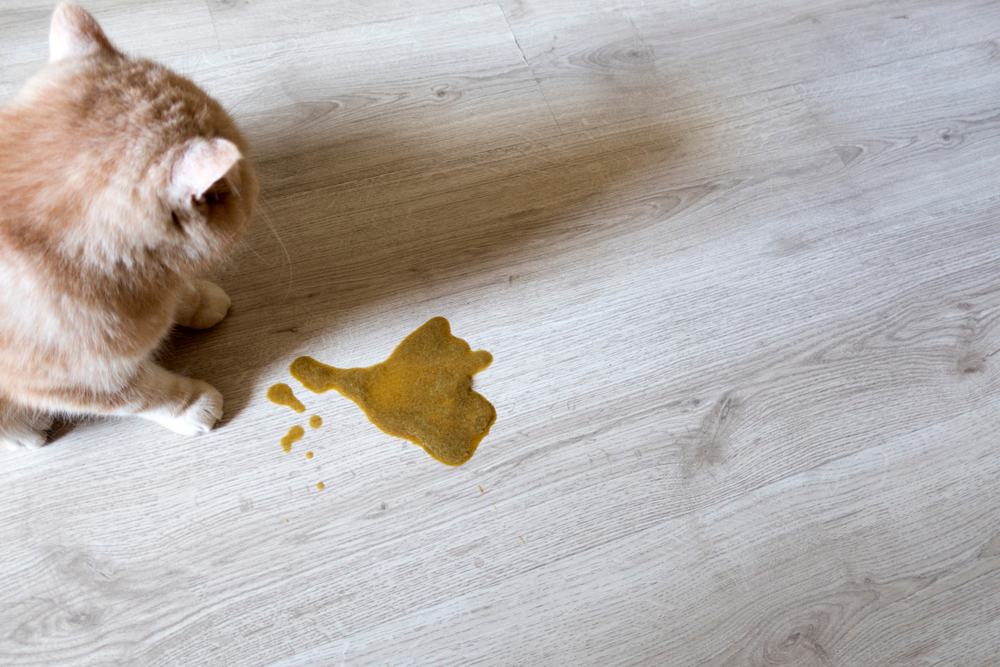
The appearance of vomit provides useful clinical information before any testing begins. Food brought up shortly after eating looks very different from yellow bile produced on an empty stomach, digested material that appears hours after a meal, or clear fluid or foam. Taking note of timing, frequency, and what actually comes up gives us a clinical head start at your appointment.
Timing is particularly informative. Vomiting within minutes of eating, where food appears barely chewed, points toward something different from vomiting that happens in the middle of the night on an empty stomach. Conditions like megaesophagus, where food collects in the esophagus rather than reaching the stomach, produce a distinctive pattern of regurgitation that differs from true vomiting in ways that affect both diagnosis and treatment.
When to Schedule an Evaluation
The threshold between watching and acting:
- Vomiting several times per week for more than two to three weeks
- Weight loss alongside recurring vomiting
- Changes in energy, thirst, or urination accompanying GI symptoms
- Recurring hairballs in a cat that have recently become more frequent
- Vomiting that seems clearly connected to specific foods or treats
Senior pet health warrants additional attention. Kidney disease, liver disease, and hyperthyroidism in cats commonly announce themselves through vomiting long before other signs become obvious.
Emergency Signs That Cannot Wait
Call us or go to an emergency facility immediately if your pet is:
- Vomiting blood or producing dark, coffee-ground material
- Retching without producing anything, especially in large or deep-chested dogs
- Showing abdominal pain, hunching, or a distended belly
- Unable to keep water down for more than 24 hours
- Severely weak or lethargic alongside vomiting
What Causes Chronic Vomiting?
Food, Diet, and Dietary Indiscretion
Food is among the most common contributors to chronic vomiting, and often the last thing you might think to question. Food allergies, an immune-mediated reaction to a specific protein, can develop at any age in a pet who has eaten the same food for years. Food intolerances cause similar symptoms through a non-immune mechanism. Good pet food selection matters, as does knowing what else gets into your pet.
Dietary indiscretion, the clinical term for eating things that are not food, is a frequent vomiting trigger, and GI obstructions from swallowed objects can require surgical intervention. While some swallowed objects produce rapid onset of vomiting, others can cause a partial blockage that creates an on-again, off-again vomiting pattern over several weeks.
When Organs Are the Real Problem
Chronic vomiting is frequently a systemic problem presenting as a GI complaint:
- Chronic kidney disease: waste products accumulate when filtration fails, causing persistent nausea
- Liver disease and gall bladder disease: impaired bile processing affects GI function broadly
- Feline hyperthyroidism: overactive thyroid drives vomiting, weight loss, and ravenous appetite in older cats
- Pancreatitis: inflammation of the pancreas produces significant nausea, which can become chronic
- Diabetes: blood sugar dysregulation affects appetite and digestion in both directions
Primary GI Tract Conditions
When systemic causes are ruled out, focus shifts to conditions originating in the digestive tract itself:
- Inflammatory bowel disease: chronic inflammation of the intestinal wall; one of the most common diagnoses in cats
- Intestinal lymphoma: in cats, small-cell lymphoma mimics IBD so closely that tissue samples are needed to distinguish them
- Gastric ulcers: often related to NSAID use or prolonged stress; causes morning vomiting in many affected pets
- Bilious vomiting syndrome: bile accumulates in an empty stomach overnight, causing early-morning vomiting; common in dogs
- Gastric cancer: worth ruling out in older pets with chronic symptoms that do not fit other patterns
Fast Eating and Stress
A pet who eats too quickly can bring food back up within minutes, looking barely digested. Interactive feeders slow meal consumption dramatically for dogs and cats prone to this pattern.
Stress and anxiety are underappreciated GI triggers, particularly in cats. Feline stress from household changes, new pets, or ongoing tension can produce persistent vomiting that looks medically identical to other causes.
If vomiting started around a significant change in the household, that timing is worth mentioning at the appointment. We strive to improve each pet’s emotional health during every visit, using individualized low-stress techniques to help your pet feel relaxed.
The Diagnostic Process
A thorough history is where every workup begins. Because there are so many reasons for a pet to vomit, diagnostics are a key piece of the puzzle. The following tests build on each other:
- Perform a physical exam: weight, body condition, abdominal palpation, hydration
- Run bloodwork: CBC and chemistry panel to screen for organ disease, infection, and metabolic causes
- Collect a urinalysis: kidney function assessment and additional metabolic markers
- Submit fecal testing: rules out parasites and GI infections
- Take digital radiographs: evaluates organ sizes, gas patterns, and foreign material
- Perform abdominal ultrasound: assesses intestinal wall layering, lymph node size, and organ architecture
Our AAHA-accredited services include in-house laboratory capabilities and imaging for efficient, same-visit diagnostics.
Elimination Diet Trials
When initial diagnostics do not identify the cause, a structured diet trial is the next step. A novel protein or hydrolyzed protein diet is fed exclusively for 8 to 12 weeks with no other food sources. A proper diet trial means no treats, table scraps, or flavored medications unless specifically approved. Even small deviations can invalidate the result.
Endoscopy and GI Biopsy
Endoscopy: Seeing the Lining
Endoscopy uses a flexible camera under anesthesia to visualize the upper GI tract and collect mucosal tissue samples. Recovery is typically rapid. It is appropriate when initial testing and diet trials have not identified the cause.
Exploratory Surgery and Full-Thickness Biopsy
Exploratory surgery allows direct examination of abdominal organs and collection of full-thickness tissue from multiple GI locations. A GI biopsy from surgery provides tissue from the full depth of the intestinal wall, which is necessary to distinguish IBD from small-cell lymphoma, which look identical on endoscopic surface samples.
Treatment Matched to Diagnosis
| Cause | Treatment Approach |
| Food allergy or intolerance | Long-term management on confirmed safe diet |
| Organ disease | Targeted medical management by organ system |
| IBD | Diet modification, immunosuppressive therapy, B12 supplementation |
| Small-cell lymphoma | Chemotherapy protocol and steroids; managed as chronic condition |
| Parasites or infection | Targeted antimicrobials guided by testing |
| Fast eating | Slow feeders, separate meals |
| Stress-related vomiting | Environmental modification, behavioral support |
For ongoing digestive support, our pharmacy carries cat probiotics and dog probiotics for microbiome health. For cats with hairball-related vomiting, Laxatone, hairball control soft chews, and hairball care diets are available. Sensitive stomach diets for dogs and cats support GI recovery.
Tracking at Home Between Appointments
Keep a simple symptom log between visits:
- Date and time of each episode
- How soon after eating it occurred
- What the vomit looked like
- Everything consumed that day, including treats and chews
- Any behavioral changes alongside the vomiting
Contact us between scheduled appointments if symptoms worsen significantly. Our team can advise by phone whether the change warrants an earlier visit.
Frequently Asked Questions
Is occasional vomiting ever normal?
For cats, a couple of times per month or less with hairballs can be within normal range. Vomiting multiple times a week, or any vomiting accompanied by weight loss or behavior changes, is not normal and warrants evaluation.
How long do food trials take?
A meaningful elimination diet trial requires 8 to 12 weeks of strict adherence. This is the minimum for the immune system to normalize and for a clear result to emerge.
When should I be concerned about a vomiting emergency?
Any vomiting of blood, signs of abdominal pain or distension, unproductive retching, or inability to keep water down for more than 24 hours warrants a call to us or an emergency facility.
Finding the Answer Together
Managing chronic vomiting without knowing the cause is exhausting, and the uncertainty often feels harder than the diagnosis itself. A methodical approach works, and most pets reach a clear answer and a treatment plan by working through the diagnostic steps in order.
The crew at Lebanon Animal Hospital has the experience, the AAHA-accredited standards, and the genuine commitment to thorough medicine that this kind of case demands. If your pet’s vomiting has become a pattern worth investigating, request an appointment and let’s work through it together.







Leave A Comment