

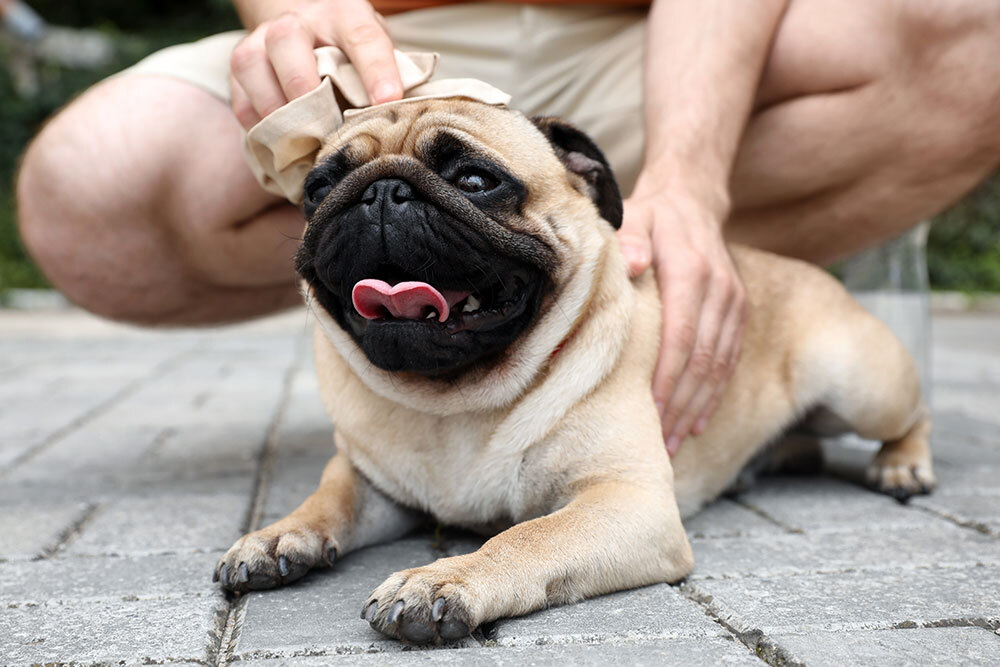
As summer arrives in Lebanon, Tennessee, it brings with it sunny skies, longer days—and serious heat. While many pets enjoy extra time outdoors, high temperatures can quickly turn dangerous. Unlike humans, pets can’t regulate their body temperature as efficiently, putting them at risk for heatstroke, dehydration, and a number of heat-related medical emergencies.
At Lebanon Animal Hospital, we want pet owners to feel confident and prepared during the hottest months. This guide covers everything you need to know: from recognizing signs of heatstroke, to preventing summer hazards, and understanding the potential long-term effects if your pet suffers from overheating.
Why Are Pets More Vulnerable to Heat?
They Can’t Cool Off Like We Can
Dogs and cats don’t sweat the way humans do. They rely primarily on panting and a small amount of sweating through paw pads to dissipate heat. Their fur coats—though protective—also act as insulators, which can trap heat, especially in humid climates like Middle Tennessee.
Who’s at Higher Risk?
Some pets are more susceptible to heat-related illnesses:
- Brachycephalic breeds (like Bulldogs, Pugs, and Persian cats) have shortened airways that make it harder to breathe and cool off.
- Overweight pets retain more heat and have reduced exercise tolerance.
- Seniors and pets with heart, lung, or laryngeal issues are less able to adapt to temperature swings.
- Thick-coated breeds, such as Huskies and Malamutes, may struggle more in Tennessee’s summer humidity.
Read more about body weight and the ability to stay cool in flat-faces pets.
Recognizing and Responding to Heatstroke
What Does Heatstroke Look Like in Pets?
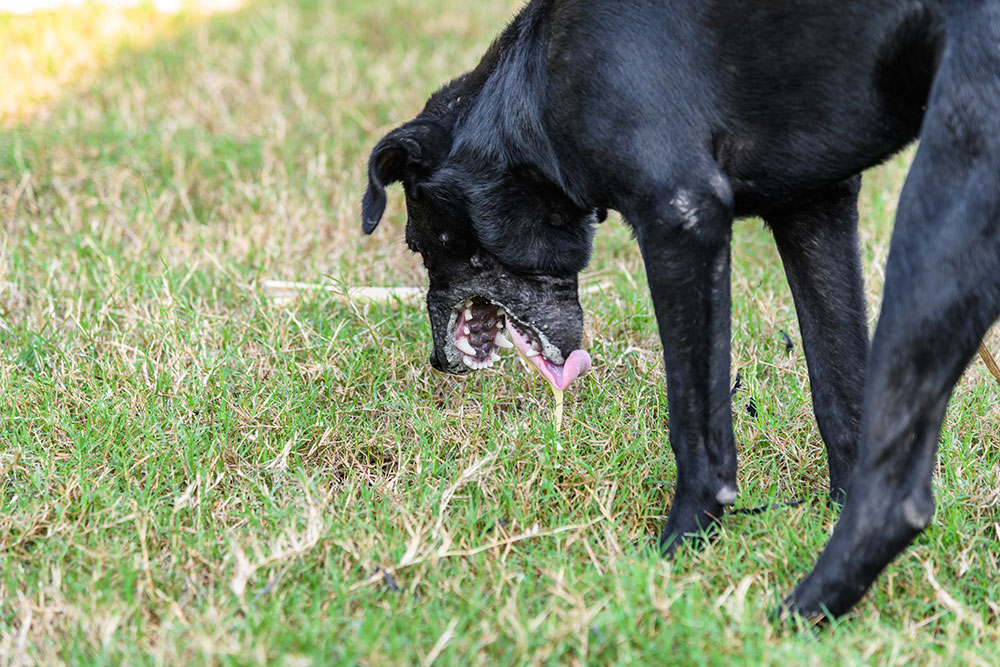
Early signs of heatstroke can be subtle—but catching them quickly could save your pet’s life:
- Heavy or rapid panting
- Excessive drooling
- Restlessness or seeking shade
- Bright red gums or tongue
- Lethargy or weakness
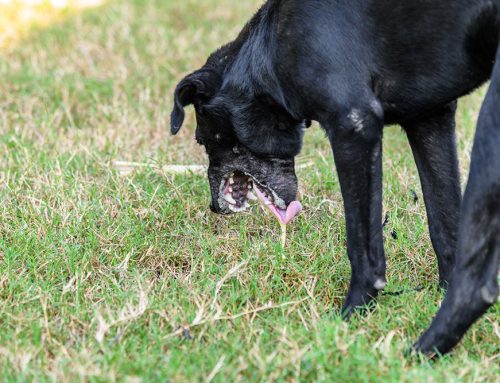
- Vomiting or diarrhea
- Staggering, confusion, or collapse
- Seizures (a late-stage emergency)
If you suspect heatstroke:
Move your pet to a cool area, offer cool (not cold) water, apply damp towels to paws and belly, and call your veterinarian immediately.
More from AAHA on identifying and treating heatstroke
What Happens After Heatstroke?
Can Heatstroke Cause Long-Term Medical Problems in Pets?
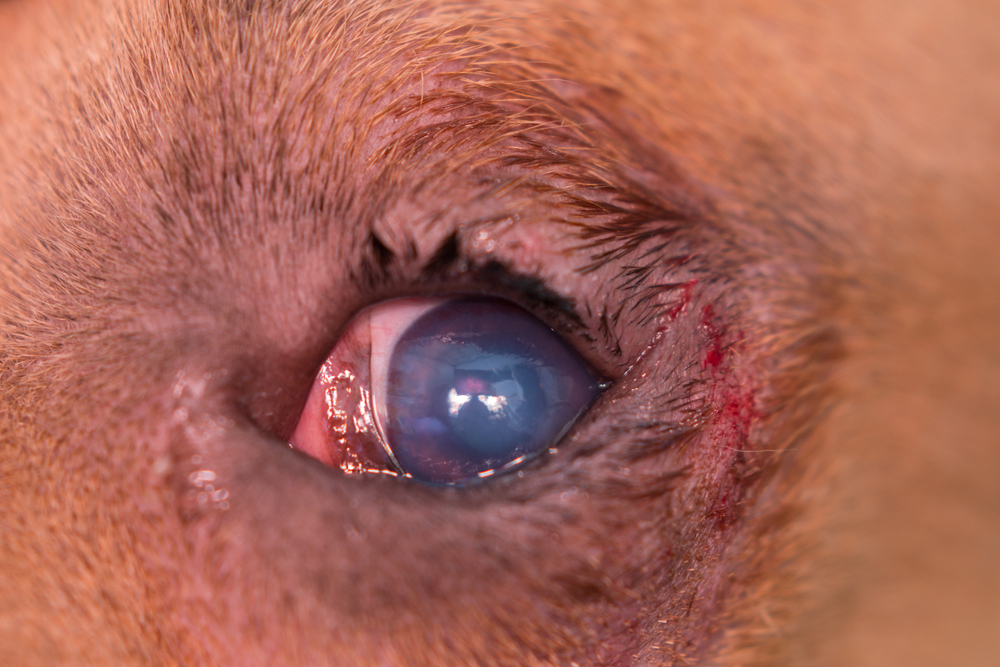
Yes. Even if your pet appears to recover, heatstroke can cause serious internal damage—some of which may not be obvious right away. This includes:
| Organ/System Affected | Possible Complications |
| Kidneys | Acute kidney injury or failure |
| Liver | Liver cell damage, clotting issues |
| Heart | Irregular heartbeat, cardiac arrest |
| Brain | Swelling, seizures, permanent neurological damage |
| GI tract | Ulcers, bloody diarrhea, pancreatitis |
| Muscles | Rhabdomyolysis (muscle breakdown), leading to kidney failure |
What Should I Watch for After My Pet Has Recovered?
Even after treatment, monitor your pet closely for the next 48–72 hours for signs of complications:
- Changes in urination (frequency, volume, or color)
- Persistent vomiting or diarrhea
- Loss of appetite
- Lethargy or confusion
- Labored breathing
- Abnormal bleeding or bruising
- Seizures or disorientation
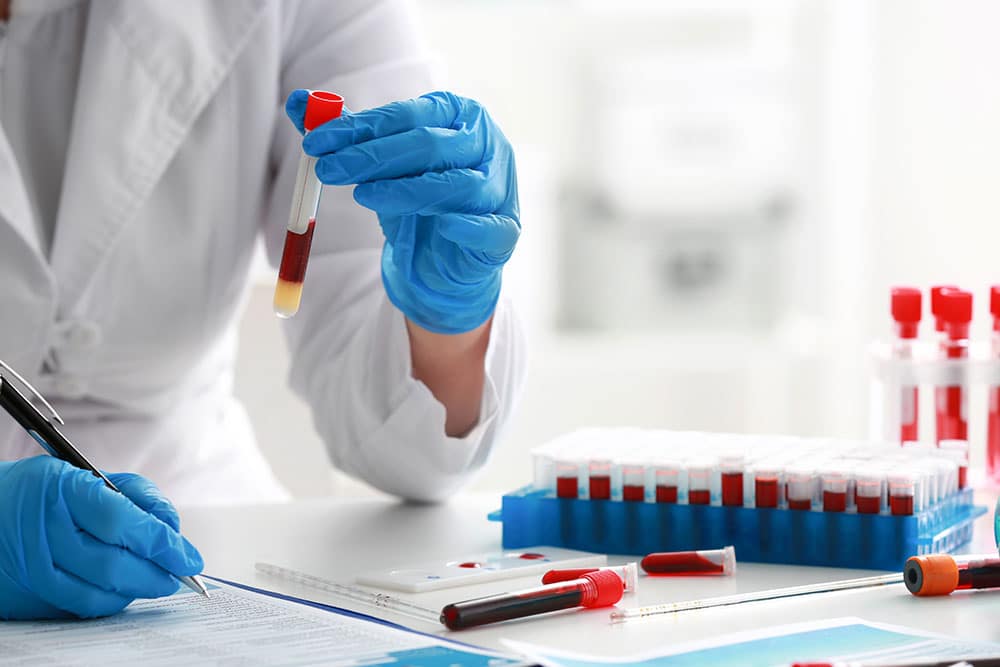
Always follow up with your veterinarian after a heatstroke event. Bloodwork, urinalysis, and monitoring of vital signs can help detect and manage any emerging problems early.
Preventing Heatstroke: What Pet Owners Should Do
Everyday Strategies to Stay Cool
- Hydration is key. Always provide access to cool, clean water.
- Walk during cooler hours. Early morning or late evening walks are safest.
- Avoid hot pavement. If it’s too hot for your hand, it’s too hot for their paws.
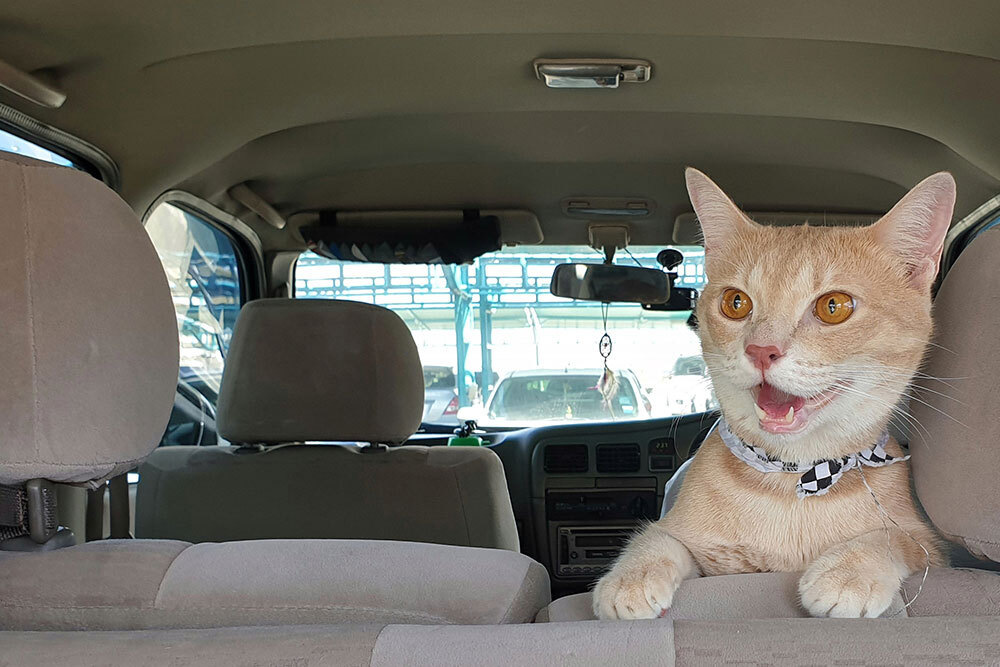
- Never leave pets in parked vehicles. Cracking the window isn’t enough.
More summer safety tips for pets from AAHA
Indoor and Outdoor Cooling Techniques
For Outdoor Pets
- Provide multiple shaded areas that move with the sun.
- Use outdoor fans, misters, or access to shallow water.
- Keep bedding off hot surfaces like concrete or metal.
For Indoor Pets
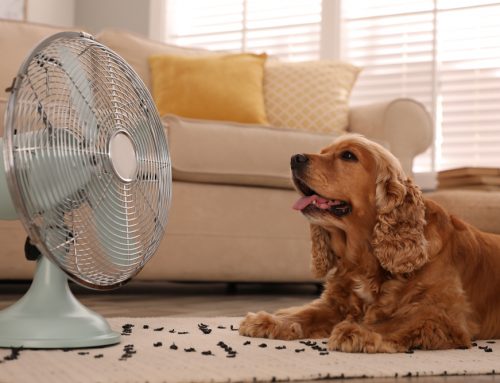
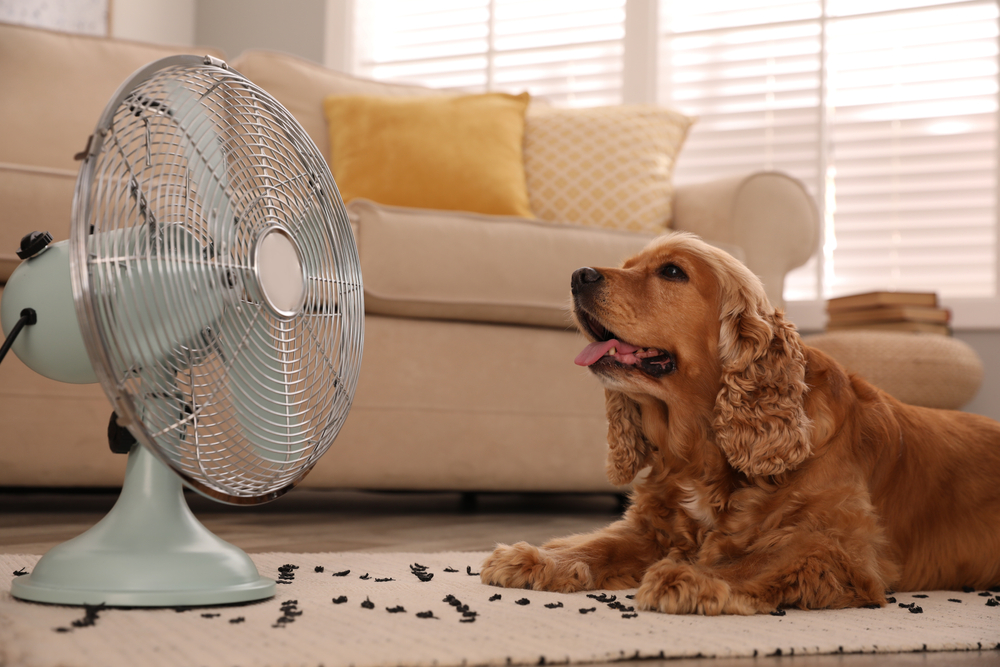
- Use air conditioning or fans to maintain a cool room temperature.
- Cooling mats or damp towels can offer relief.
- Let pets rest on tile or hardwood floors.
- Consider puzzle toys or training games indoors to reduce boredom.
Keeping Cool: Summer Boredom Busters for Pets
Seasonal Hazards Beyond Heatstroke
Fireworks and Thunderstorms
Noise phobia is common during summer. Tips to help:
- Keep pets indoors during fireworks.
- Create a quiet, cozy retreat in the house.
- Use pheromone diffusers, white noise, or calming jackets.
- Speak with your vet about anti-anxiety medications if needed.
Safe and Sound: Noise Aversion in Pets
BBQ and Picnic Dangers
Some popular foods can be toxic or harmful to pets:
- Avoid: Grapes, onions, garlic, avocados, and bones.
- Beware of fatty foods: They can trigger pancreatitis.
- Keep alcoholic drinks out of reach.
- Bring your pet their own safe treats to join the fun.
10 BBQ Foods to Never Share with Pets
Lebanon Animal Hospital: Here When You Need Us
At Lebanon Animal Hospital, we’re here to support you through the summer months with:
- Emergency treatment for heatstroke and dehydration
- IV fluids, cooling therapy, and internal monitoring
- Summer wellness exams for high-risk pets
- Nutritional counseling to promote hydration and healthy weight
- Individualized care plans for brachycephalic, senior, or overweight pets
If you think your pet is experiencing a heat-related emergency, call us immediately.
For questions, preventative care, or to schedule a summer wellness check, visit our Contact page or give us a call.
Stay Cool, Stay Safe
Summer can be a wonderful time to enjoy life with your pet—but it requires a little extra awareness. Stay proactive: keep water available, avoid the midday sun, and learn the warning signs of heatstroke. The earlier you act, the better the outcome.
Want personalized advice for your pet? Schedule a summer check-up with us at Lebanon Animal Hospital. We’ll help you make the most of the season—safely.

Leave A Comment