

Thyroid disorders are common in dogs and cats, particularly as they age, and can significantly affect their metabolism, energy levels, and overall well-being. While hypothyroidism is more frequently seen in dogs, hyperthyroidism is much more common in cats. Both conditions require veterinary diagnosis and ongoing care to prevent serious health consequences.
At Lebanon Animal Hospital in Lebanon, Tennessee, our veterinary team is experienced in identifying and managing both forms of thyroid disease. We’re here to help you understand what to watch for, how these conditions are treated, and why regular wellness visits are so important for early detection.
Explore our veterinary services or get to know our team.
What Is the Thyroid Gland and Why Does It Matter?
The thyroid gland, located in the neck, produces hormones that regulate your pet’s metabolism. These hormones influence everything from body temperature and weight to energy levels and heart rate. When thyroid hormone production becomes unbalanced—either too low or too high—it can cause significant health issues.
What Is Hypothyroidism?
Hypothyroidism occurs when the thyroid gland underproduces hormones, slowing down the body’s metabolism. It primarily affects middle-aged to older dogs, though it can occur in other species.
Common Causes
- Autoimmune thyroiditis (the most common cause in dogs)
- Thyroid gland tumors
- Iodine deficiency (rare with modern diets)
- Congenital thyroid defects in puppies
Symptoms to Watch For
- Unexplained weight gain despite normal or reduced appetite
- Lethargy, exercise intolerance, or general sluggishness
- Dry, flaky skin and hair loss, especially on the trunk or tail
- Cold intolerance (seeking warm spots or shivering)
- Recurring skin or ear infections
Learn more about the condition here:
Hypothyroidism in Dogs – Cornell Riney Canine Health Center
What Is Hyperthyroidism?
Hyperthyroidism is the opposite problem: the thyroid gland overproduces hormones, speeding up metabolism. It’s most commonly diagnosed in senior cats, but rare in dogs.
Common Causes
- Benign adenomas (non-cancerous tumors) on the thyroid gland
- Thyroid carcinoma (less common but more serious)
Symptoms to Watch For
- Rapid weight loss despite increased appetite
- Restlessness, pacing, or increased vocalization
- Vomiting or diarrhea
- Elevated heart rate and potential arrhythmias
- Unkempt coat, greasy fur, or increased shedding
For a deeper look, see:
Hyperthyroidism in Cats – Cornell Feline Health Center
How These Disorders Affect Your Pet’s Health
Both hypothyroidism and hyperthyroidism can take a toll on your pet’s body if left untreated.
Effects of Hypothyroidism
- Slowed metabolism, leading to weight gain and low energy
- Weakened immune function, which increases the risk of infection
- Cardiac and reproductive issues in long-standing cases
Effects of Hyperthyroidism
- Increased metabolic demand strains the heart and kidneys
- Muscle wasting and malnutrition despite increased appetite
- High blood pressure and risk of heart failure
- Potential kidney damage, especially if pre-existing kidney disease is present
Diagnosing Thyroid Disease in Dogs and Cats
Early detection allows for effective treatment before complications develop. Diagnosis typically involves:
For Hypothyroidism
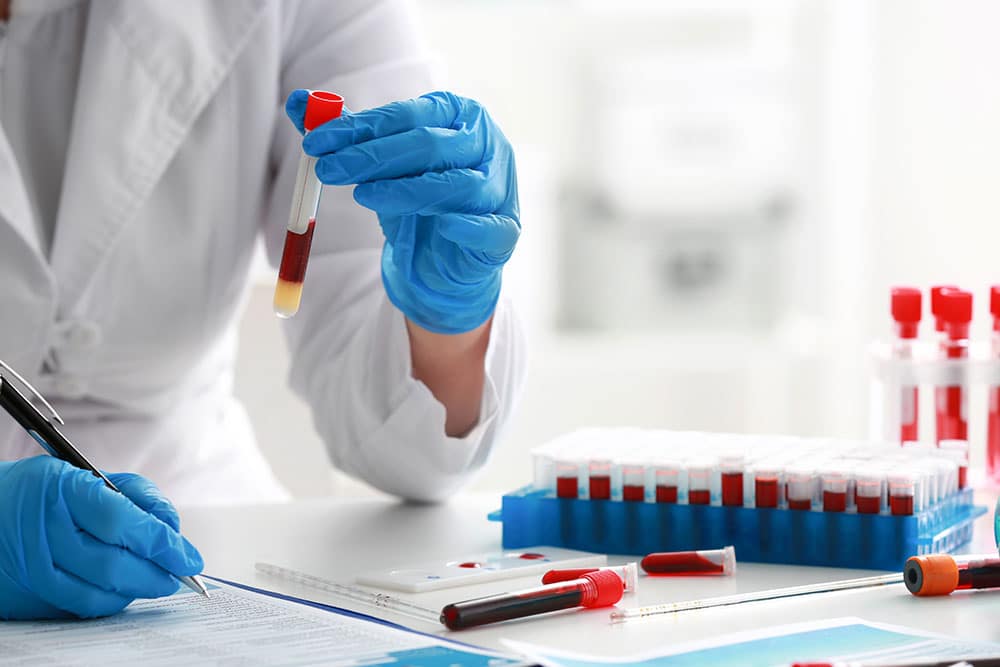
- Blood tests to measure total T4 and thyroid-stimulating hormone (TSH)
- Additional testing may include free T4 and thyroid autoantibodies
For Hyperthyroidism
- Total T4 test is the standard screening tool
- Scintigraphy or ultrasound may be used to locate thyroid nodules
- Regular monitoring is necessary to assess treatment response
Read feline hyperthyroidism guidelines – AAHA
Treatment Options: What Happens After Diagnosis?
Treating Hypothyroidism
- Daily oral thyroid hormone replacement (levothyroxine)
- Rechecks every few weeks to fine-tune the dose
- Most dogs return to normal energy and coat condition within weeks
Treating Hyperthyroidism
- Methimazole, a medication that reduces thyroid hormone production
- Radioactive iodine therapy (I-131) offers a one-time, often curative treatment
- Surgery to remove the overactive gland may be appropriate in select cases
Some cats with hyperthyroidism may also have underlying kidney disease, which requires careful management of both conditions.
Why Ongoing Monitoring Matters
Even after diagnosis and treatment, regular veterinary visits are essential. Thyroid medication often needs adjustment over time. Hormone levels can fluctuate, and the risk of complications increases without proper follow-up.
- See why routine vet visits are essential
- Explore preventive testing for senior pets – Zoetis Petcare
Preventing and Managing Thyroid Disease
While you can’t always prevent thyroid disease, you can catch it early with proper care:
Key Steps for Pet Owners
- Schedule annual wellness exams—more frequently for pets over 7
- Monitor for subtle changes in weight, energy, appetite, and coat condition
- Feed a balanced diet and avoid unapproved supplements
- Know your pet’s breed risks—Golden Retrievers, Dobermans, and Boxers are at higher risk for hypothyroidism; older cats of any breed are vulnerable to hyperthyroidism
When to Call the Vet
Call us if your pet is showing:
- Unexplained weight gain or weight loss
- Lethargy or restlessness
- Changes in coat texture, excessive shedding, or patchy hair loss
- Excessive drinking and urinating
- Vomiting, diarrhea, or behavioral changes
Even mild signs can point to a bigger issue. A quick blood test can give answers and start the path toward better health.
Contact Lebanon Animal Hospital today to schedule a wellness exam or thyroid screening.
Thyroid Health Is Lifelong Health
Hypothyroidism and hyperthyroidism can impact every aspect of your pet’s life—from their energy levels and weight to their heart and kidney function. The good news? With early diagnosis, proper treatment, and regular monitoring, most pets with thyroid disorders go on to live long, healthy lives.
If you’ve noticed changes in your pet—or just want peace of mind—don’t wait.
Reach out to Lebanon Animal Hospital today and let us help you keep your pet thriving at every life stage.




Leave A Comment